

![Can a brand’s first road frame be good? [Evolve CIMA Review]](https://www.cyclistshub.com/wp-content/cache/flying-press/4b0352a01a70ada5bf800a13b3f8d99e.jpg)
Cyclists Hub is supported by its readers. We may receive a commission if you buy products using our links. All content on Cyclists Hub is written by humans, not robots. Learn More
In the past few weeks, I’ve been riding the Evolve CIMA, one of the most promising lightweight frames on the market. With its refined engineering and attention to detail, I was eager to see how it would perform compared to other Chinese options like the Winspace SLC5, Winspace T1600, and others. Is it worth the money? In this in-depth review, I share everything I learned about it and how it stacks up against the competition.
KEY TAKEAWAY
The Evolve CIMA is a refined, lightweight frame that delivers high stiffness while maintaining good ride comfort thanks to its compliant seatpost. The attention to detail throughout the design is impressive, and the fitting options are almost endless.
However, the internal routing of the Kreuza Apex handlebar presents assembly challenges, and the fork’s design makes brake hose routing more difficult than expected. Despite these minor build-related issues, the CIMA represents a compelling option for riders prioritizing performance and versatility without sacrificing comfort.
NOTE: I invested approximately $2500 and my time in this bike build. I received the frameset and handlebars from Evolve and wheels from Elitewheels, but as always, I will be 100% honest with you and share both the good and the bad.
Evolve CIMA Build Summary
Below are the technical specifications of my CIMA build.
My Evolve CIMA Build Specifications
- Weight (size M): 6.95 kg (15.3 lb) [with pedals, bottle cages, and bike computer mount]
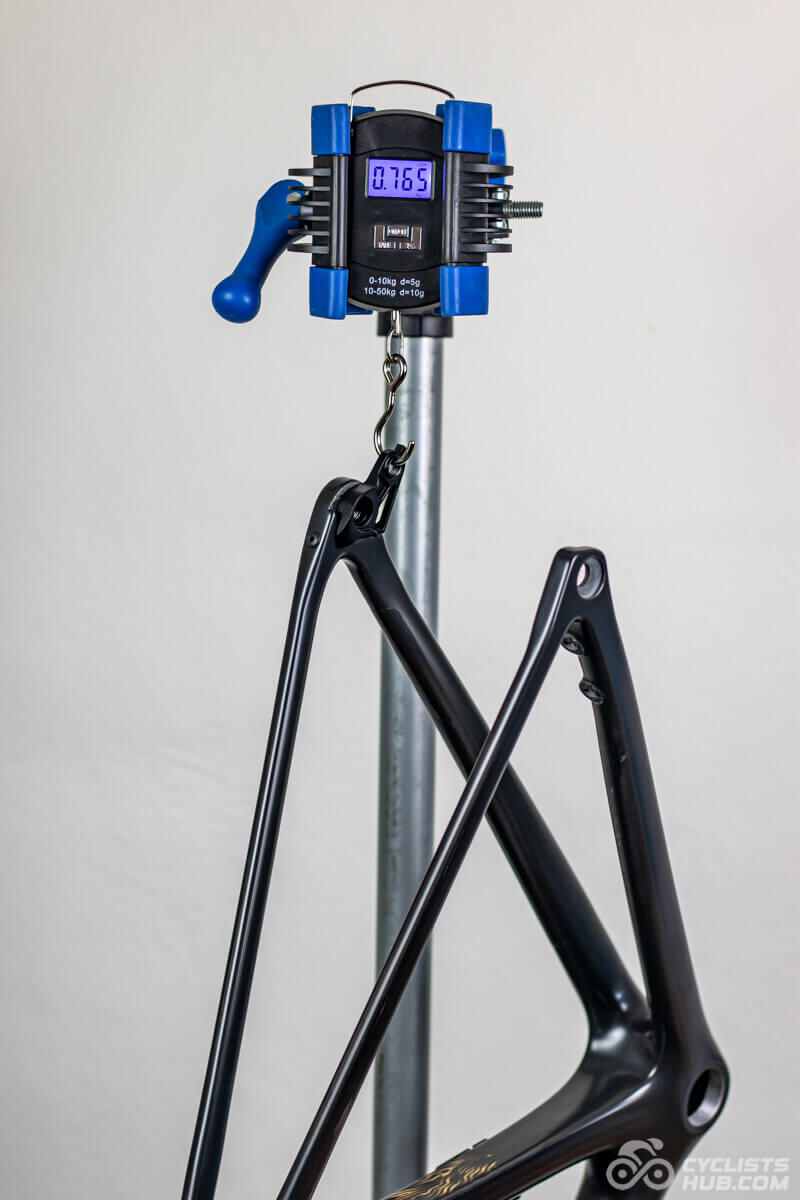
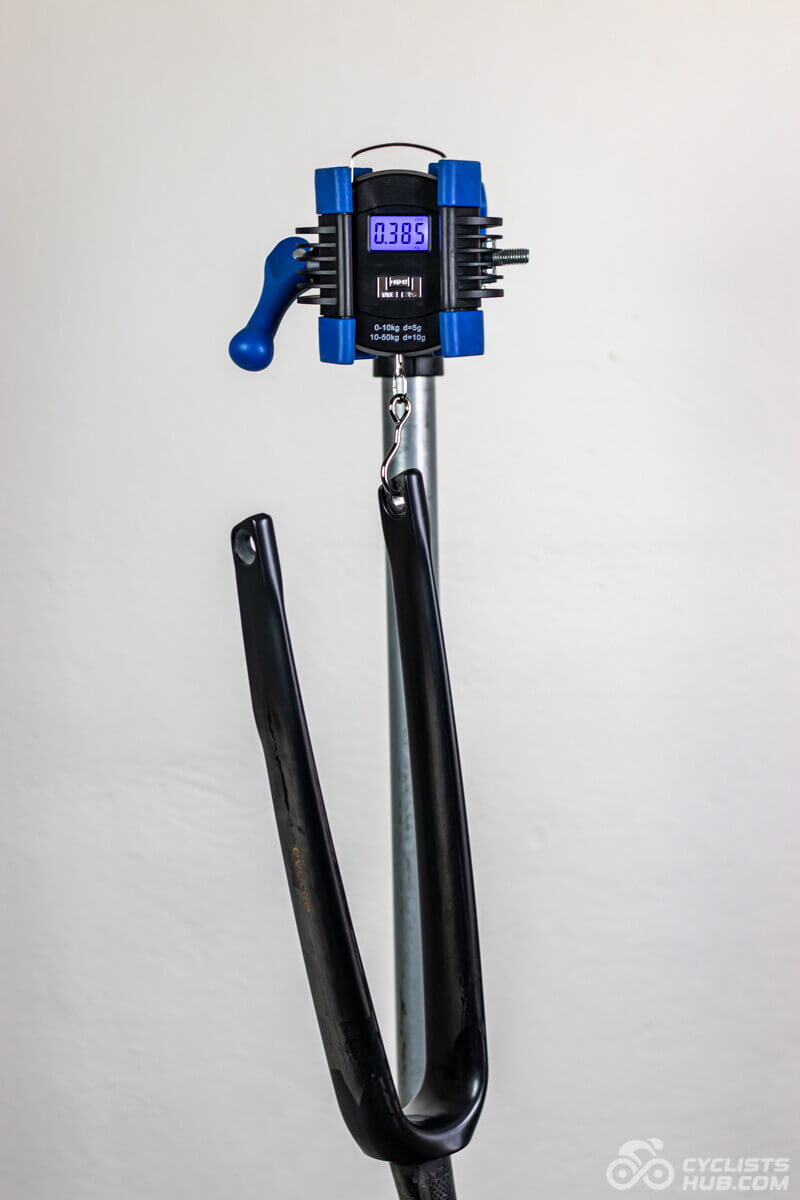
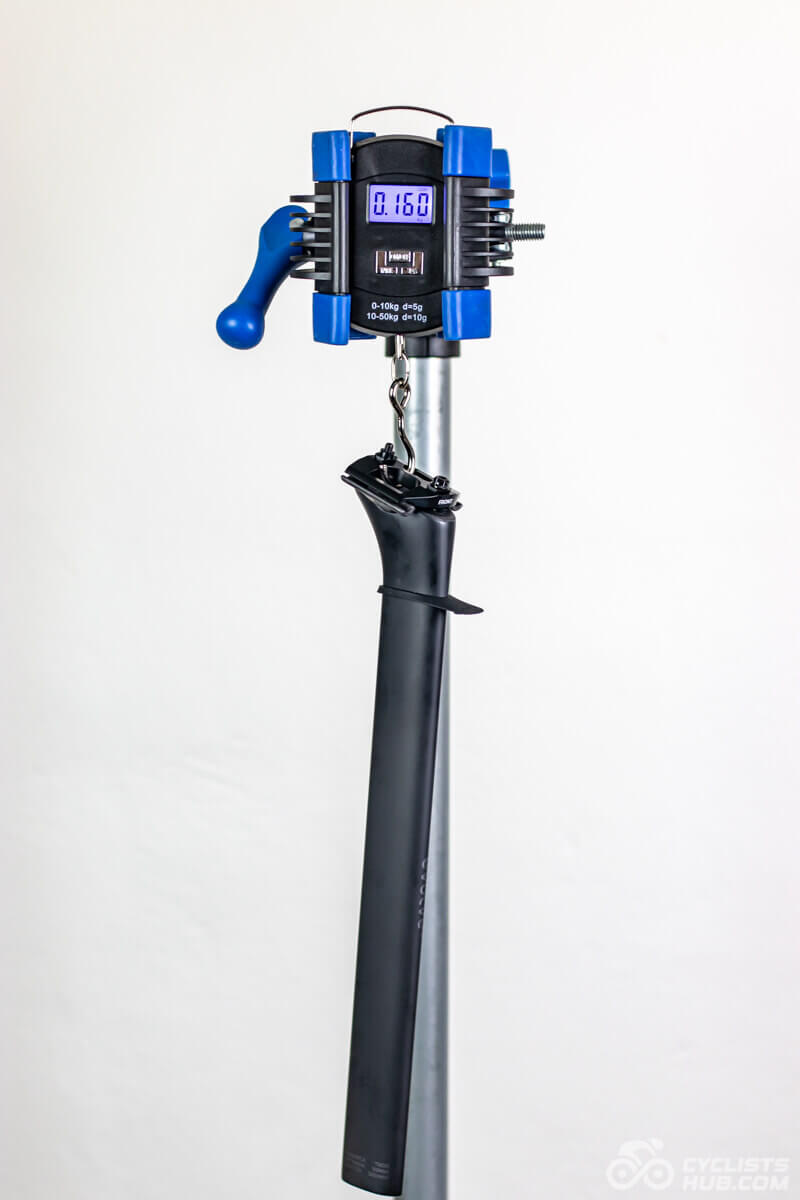
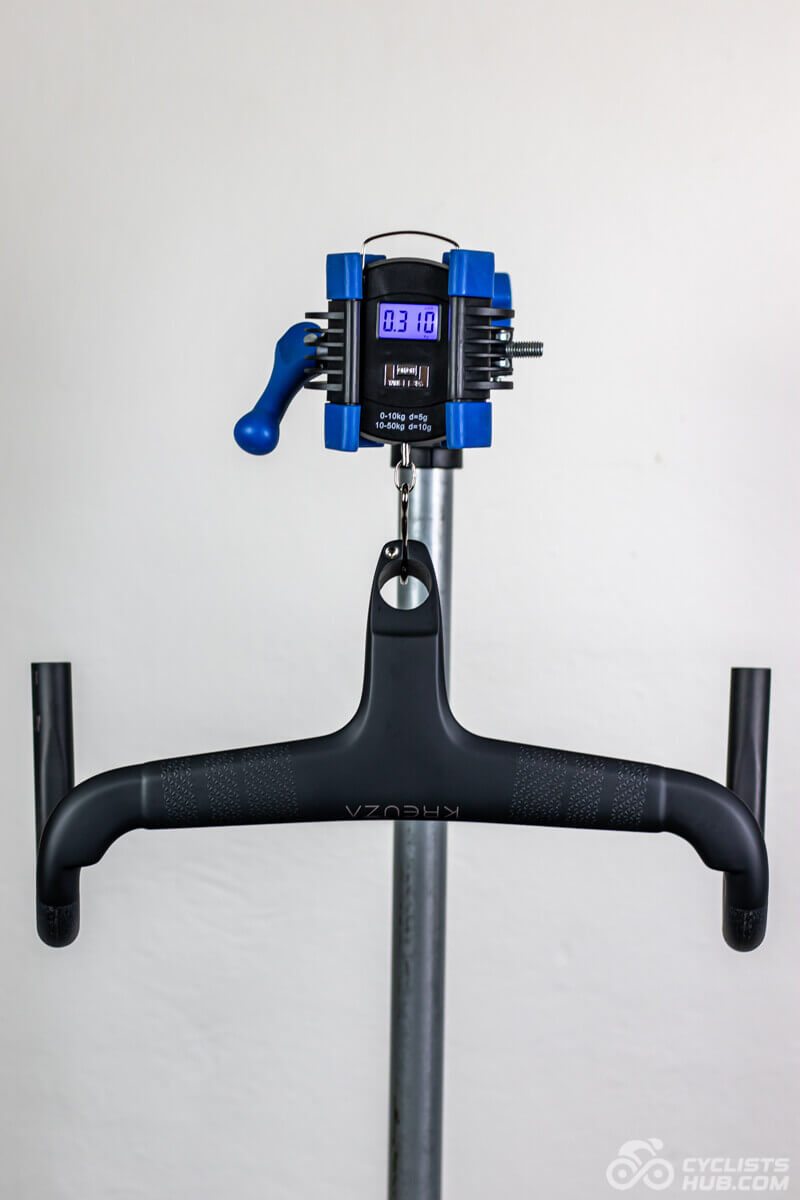
- Component weights: frame 765g, handlebars 310g, seatpost 160g, uncut fork 385g
- Wheels: Elitewheels DRIVE II 50D
- Groupset: Shimano Ultegra Di2 2×12spd (R8100)
- Cassette: Shimano Ultegra 11-34T
- Chainrings: Shimano Ultegra 50/34T
- Cranks: Shimano Ultegra 165mm
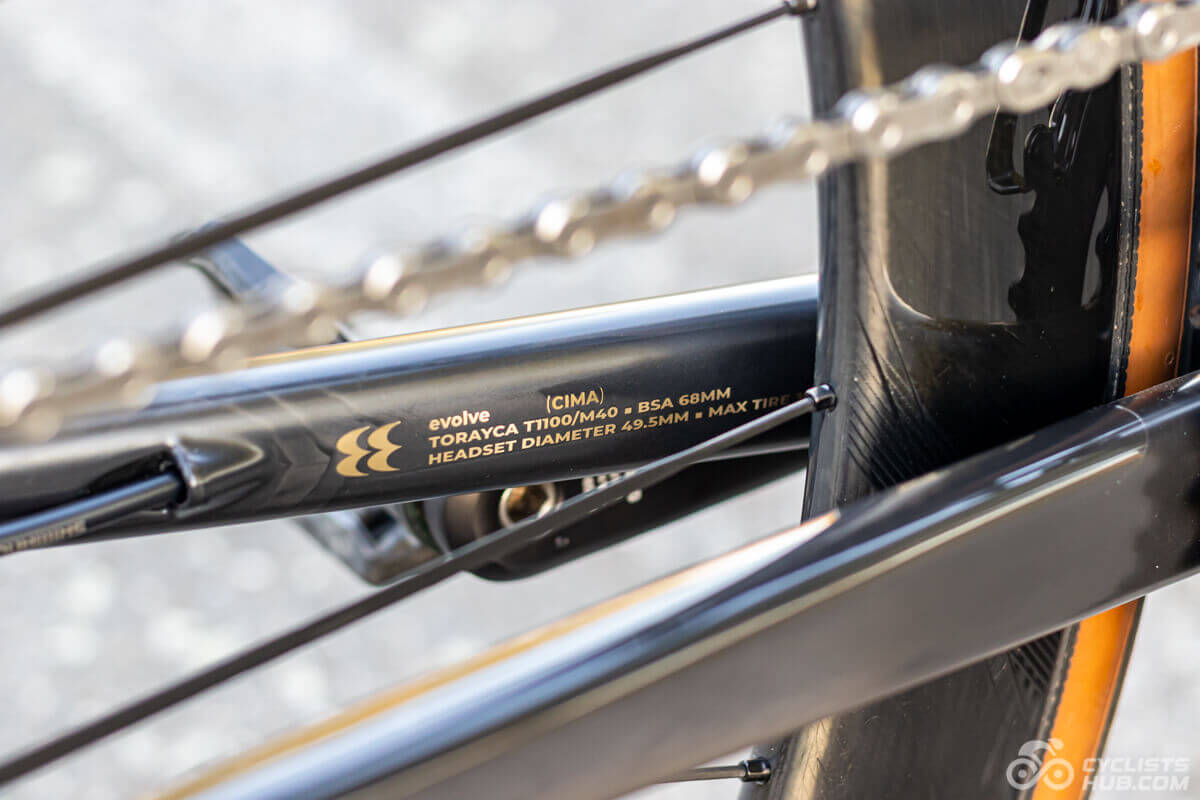
- Bottom bracket: Token TK878EX (BSA 68mm)
- Power meter: Favero Assioma DUO
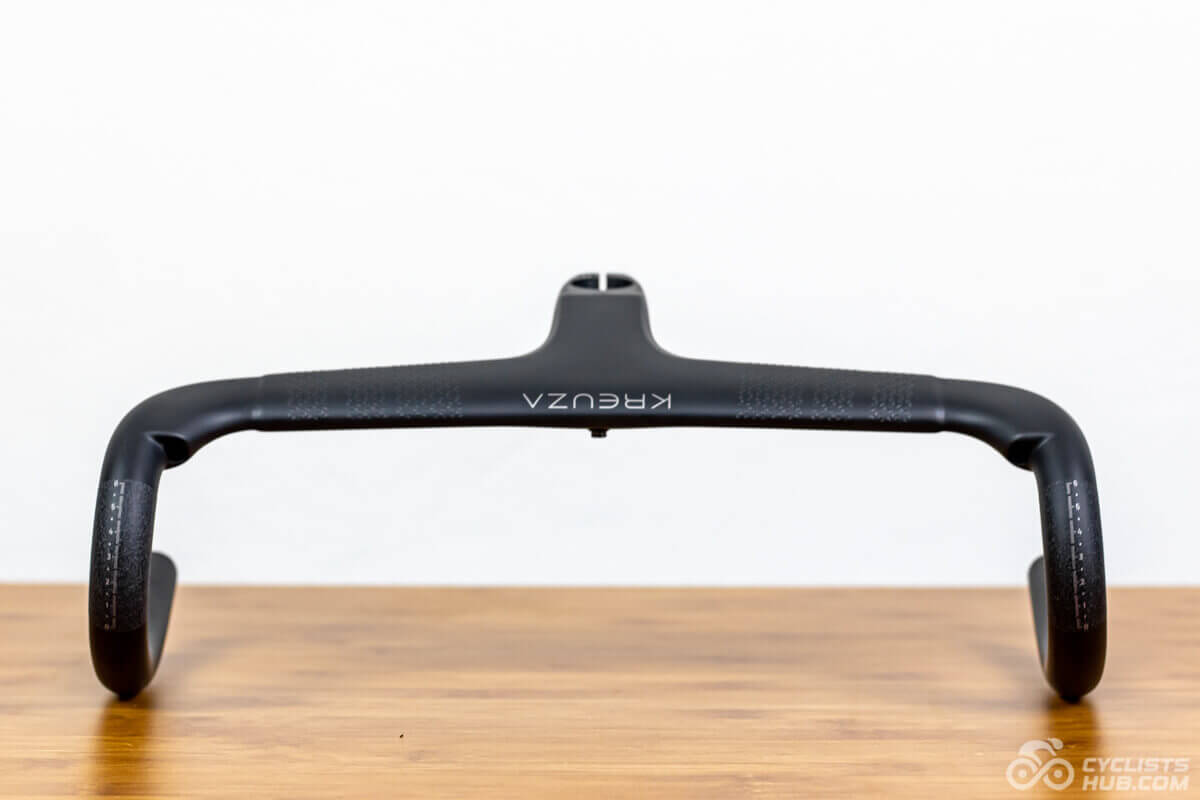
- Handlebar: Kreuza Apex Integrated Cockpit (380×110mm)
- Saddle: Mixed 5D
- Tires: Tufo Comtura 4TR 28mm
- Overall price: $6500
Also available at pandapodium.cc
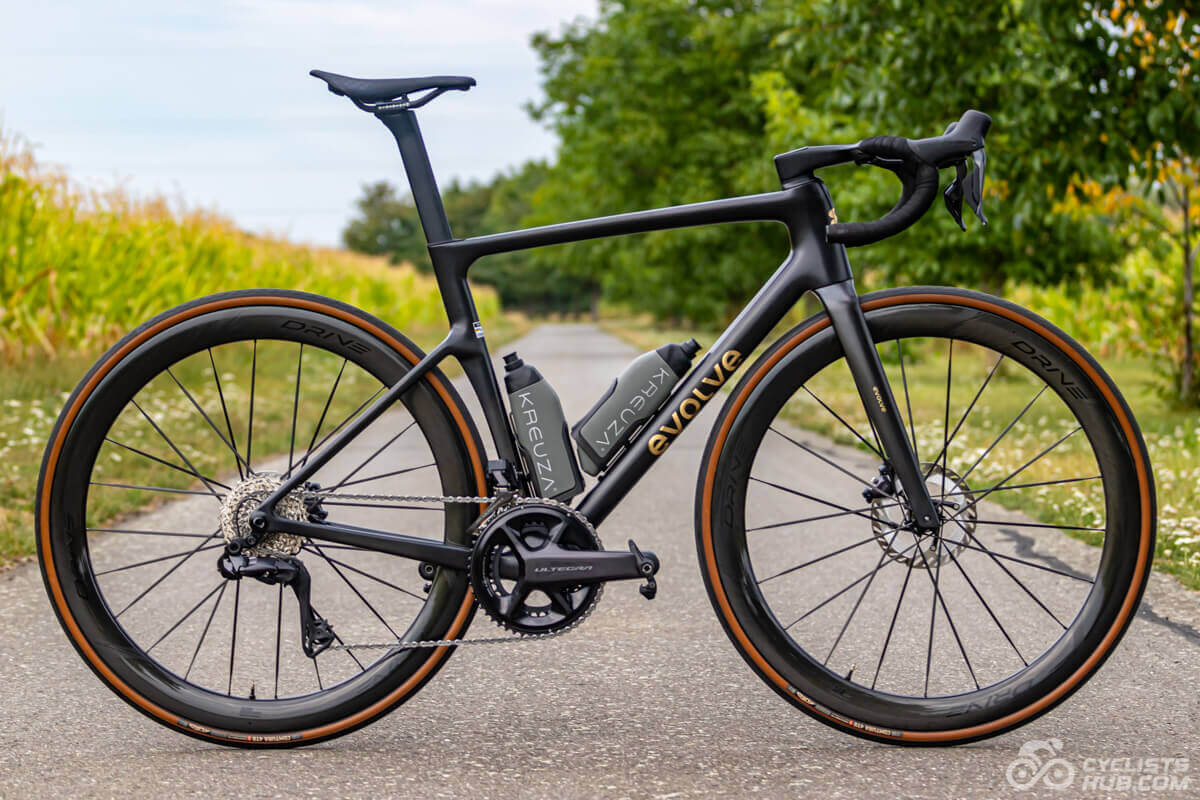
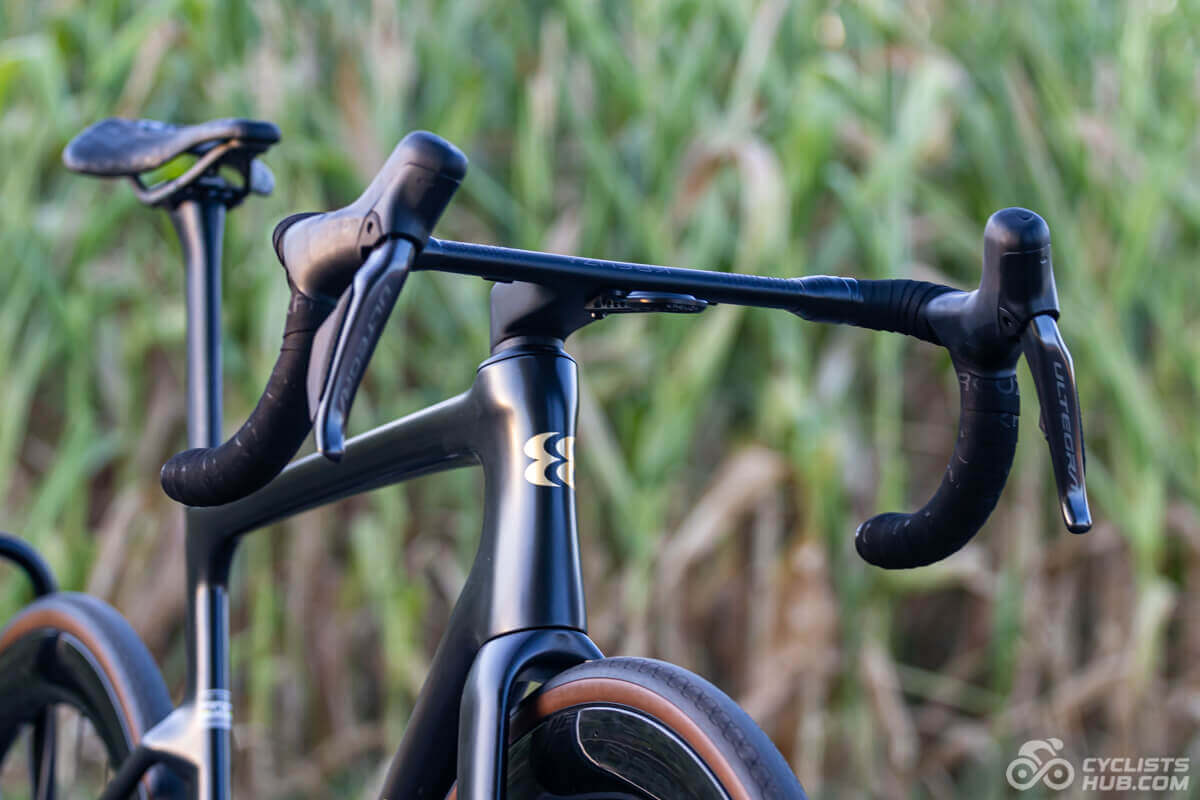
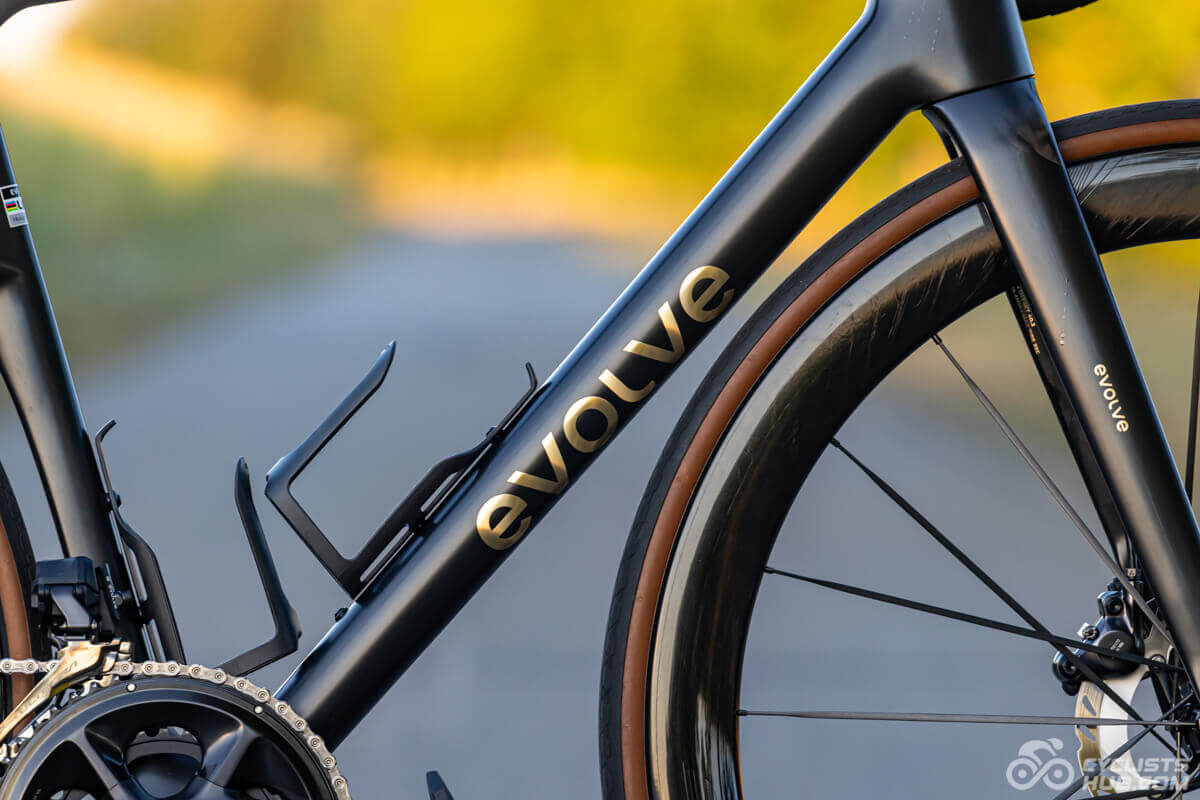
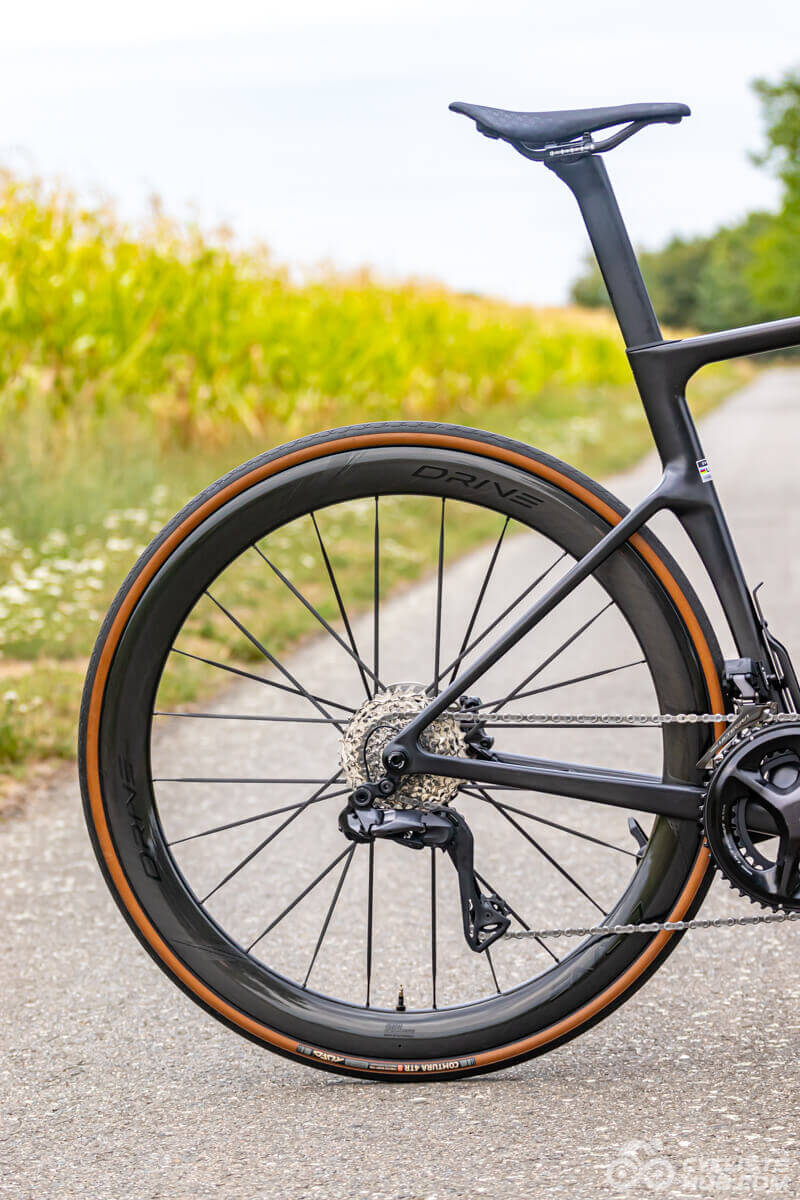
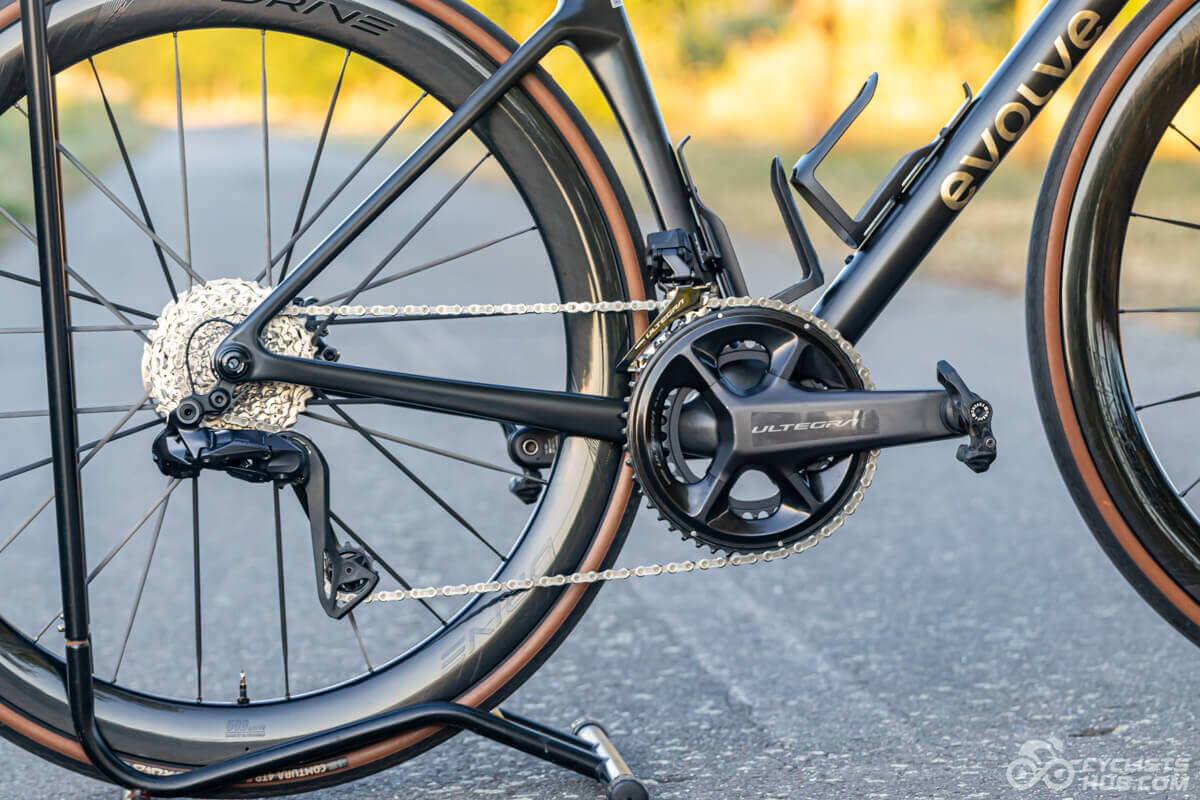
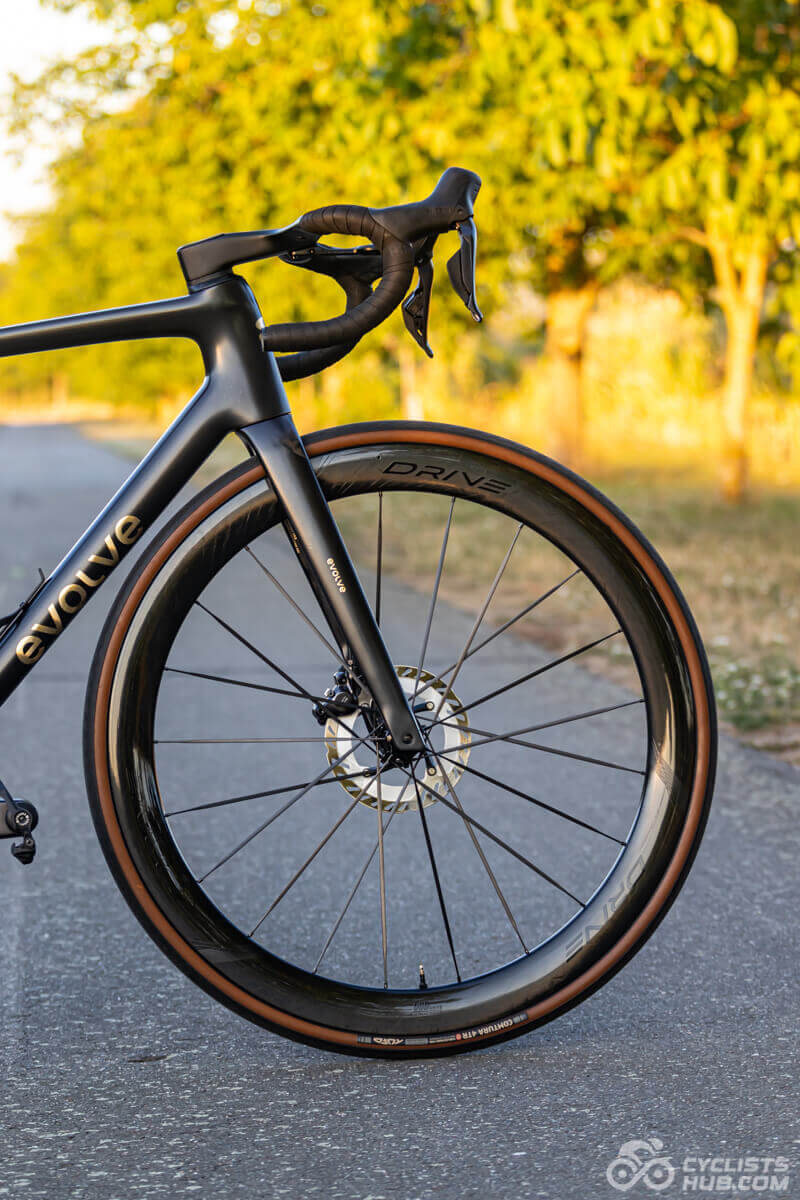
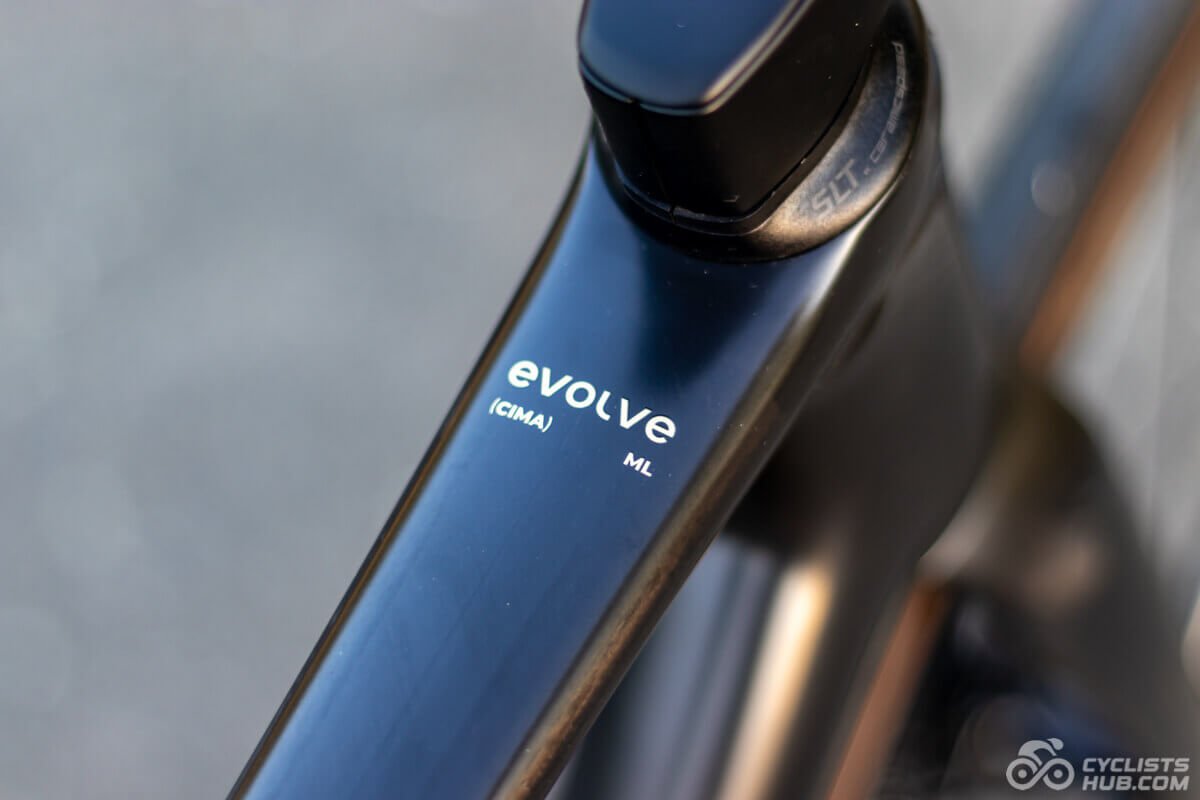
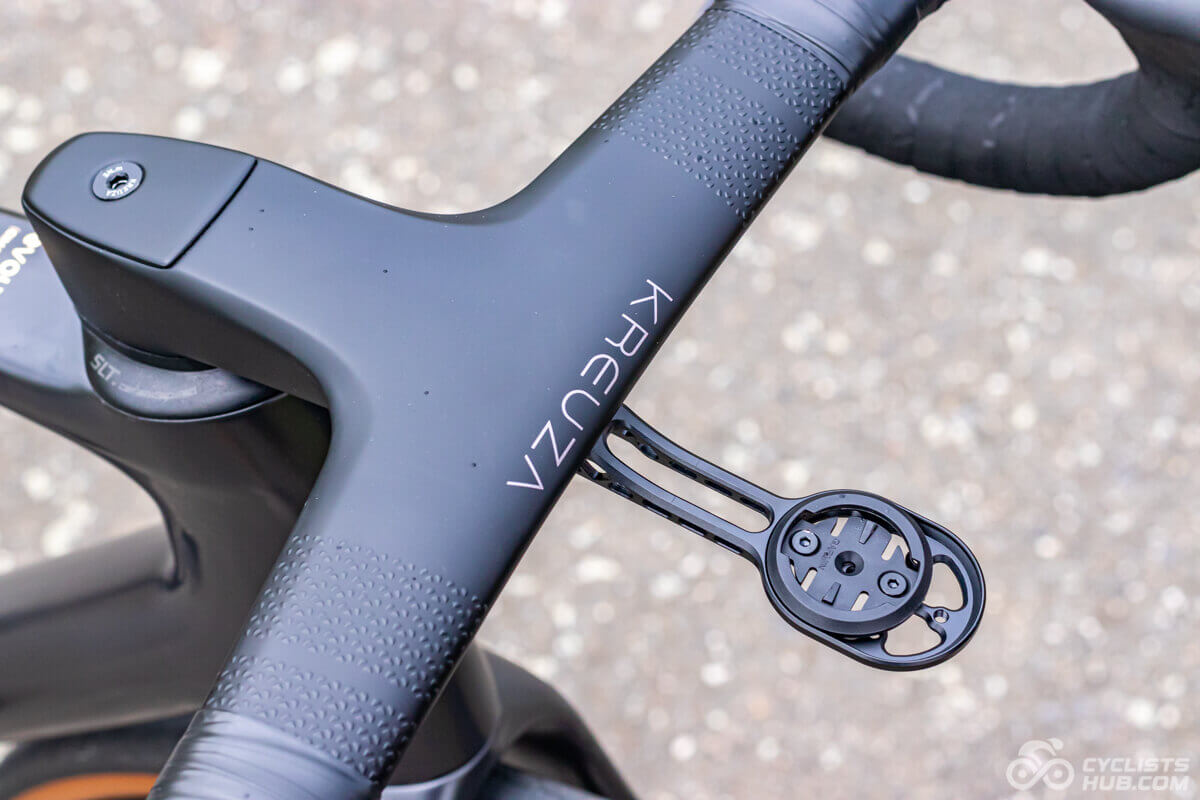
Evolve CIMA Pros and Cons
Evolve CIMA Pros
- Stiff in out-of-the-saddle efforts while still comfortable enough for longer rides
- Exceptional attention to detail throughout (torque specifications, product manual, bike computer mounts with 2 positions for different sizes, and more)
- Available in multiple sizes (XS, S, M, ML, L, XL) with 3 handlebar widths, 7 stem length options, and 3 seatpost offsets
- Modern packaging and high-quality build
- UDH-compatible
- UCI-approved and CE-certified
Evolve CIMA Cons
- Kreuza Apex handlebar has internal routing that is challenging despite the dedicated holes
- Fork lacks an internal groove for brake hose routing, making installation more difficult
- Compression plug was extremely tight and required minor grinding
- Tire clearance of 32mm can be too limiting
- Significant toe overlap
- Higher price depreciation since Evolve is a Chinese brand
Unboxing
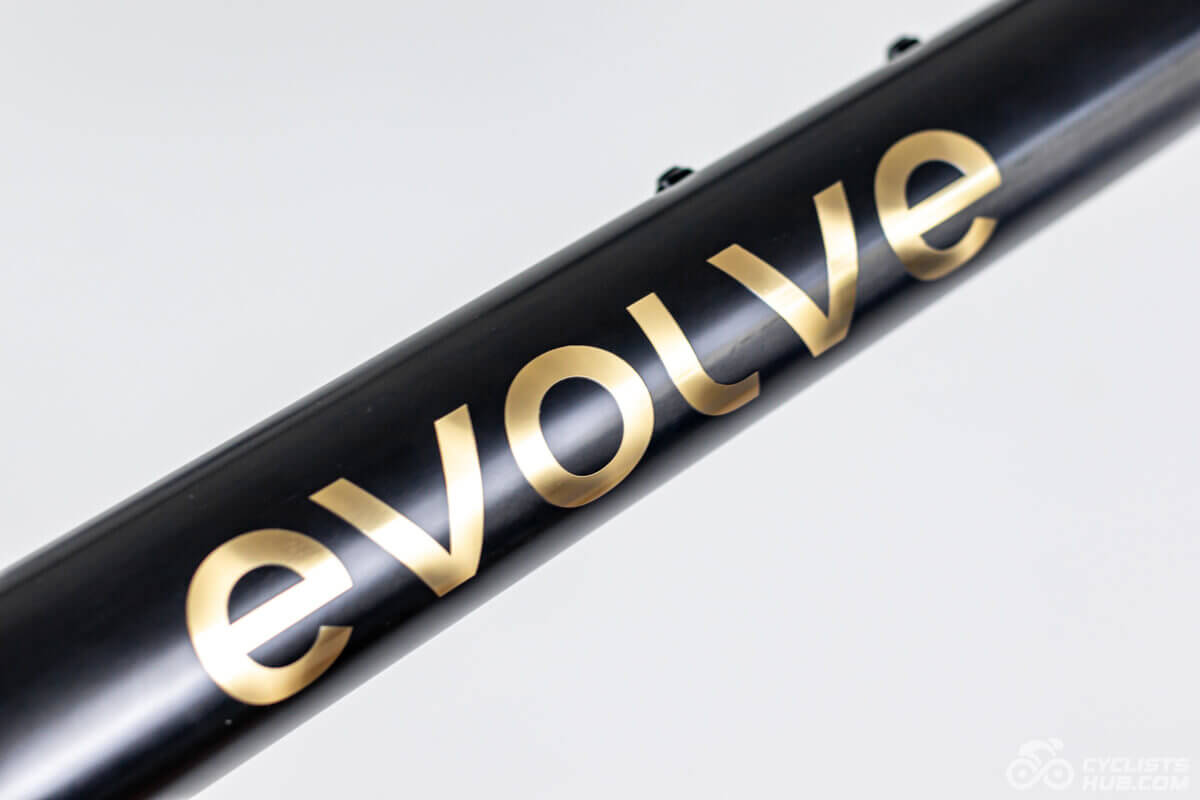
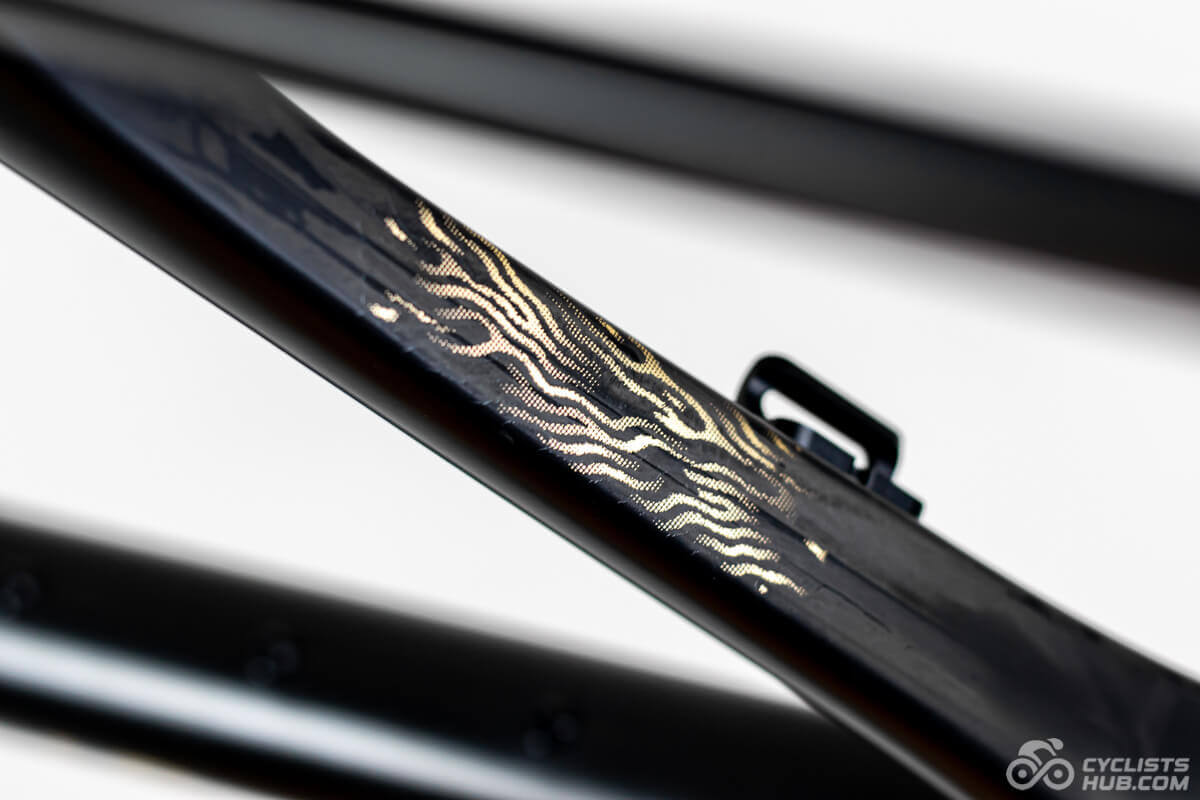
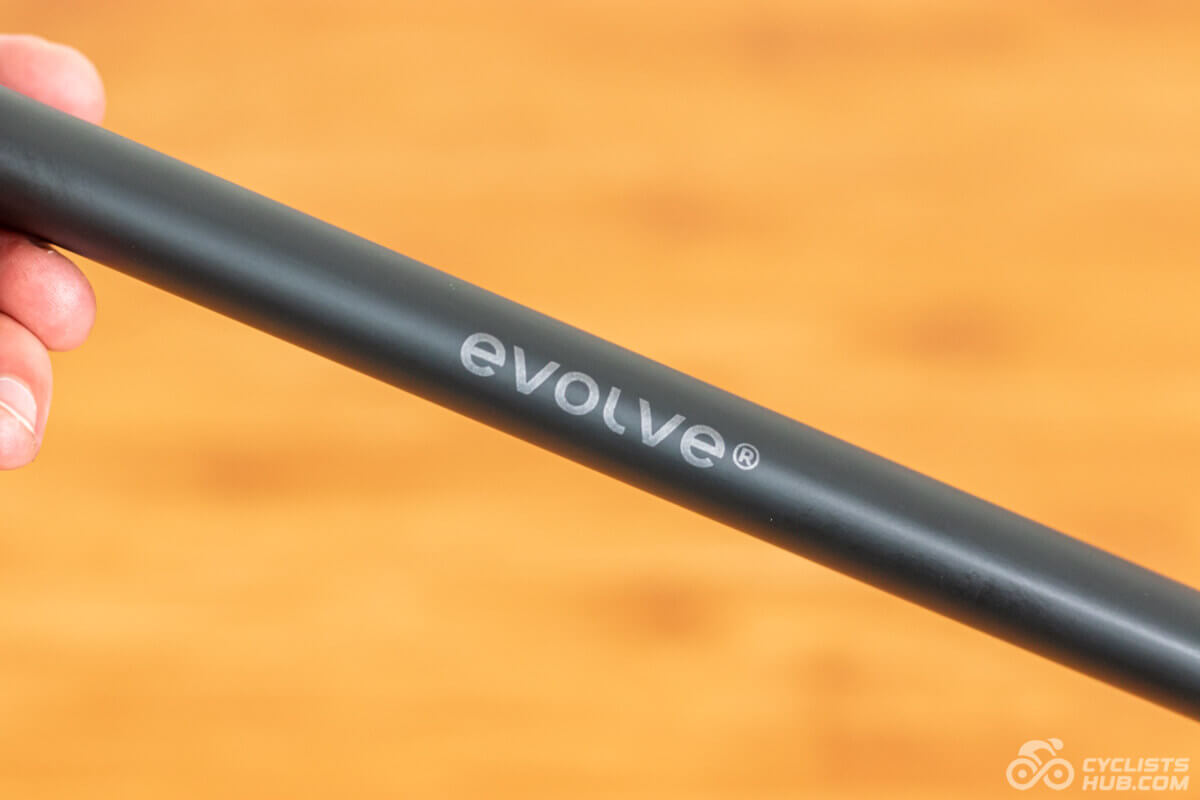
The CIMA arrives in polished, branded packaging. The unboxing experience conveys a premium first impression, reflecting the brand’s attention to presentation and detail that continues throughout the product. The packaging has a more premium feel than many Chinese competitors.
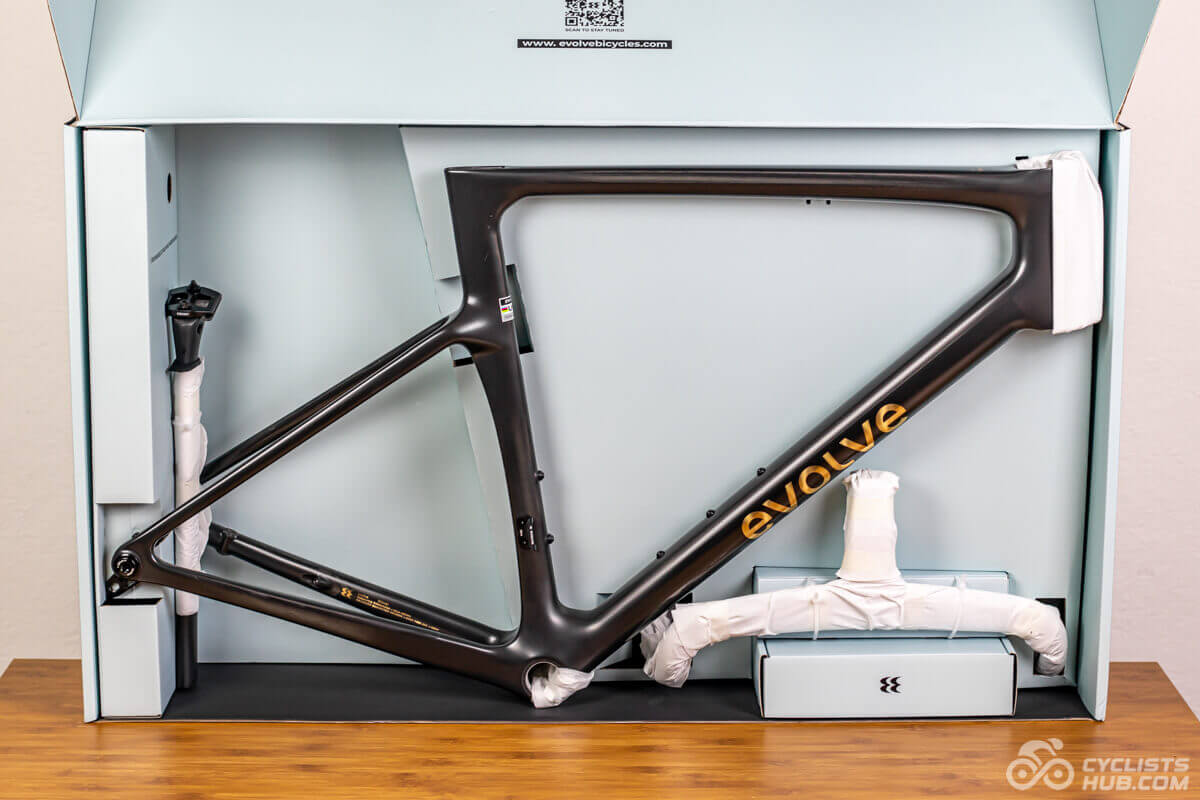
What surprised me most about the packaging was not only the use of paper instead of plastic bags, but also its contents. It includes a very detailed manual and a few extras, such as a bike computer mount with two positions for smaller and larger bike computers like the Garmin Edge 1050.
The headset bearings are CeramicSpeed’s SLT (Solid Lubrication Technology), unlike the generic ones I got with my Winspace bikes. They use stainless steel balls with solid polymer retainers designed for lubrication-free operation. In other words, they shouldn’t be prone to corrosion, even without the rubber lip seal used in standard bearings.
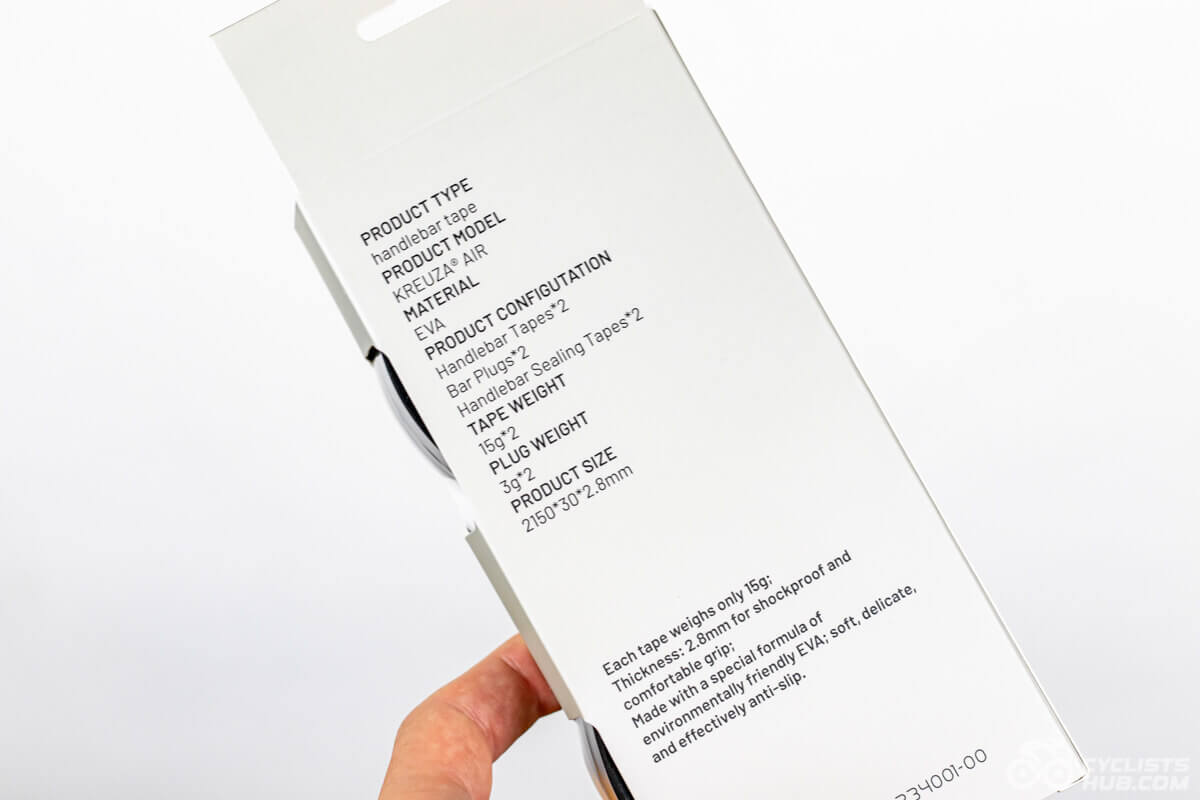
Remember, the box doesn’t include the handlebar, bottle cages, or handlebar tape unless you pay for them too, but I got them from Evolve for this review, so they were included.
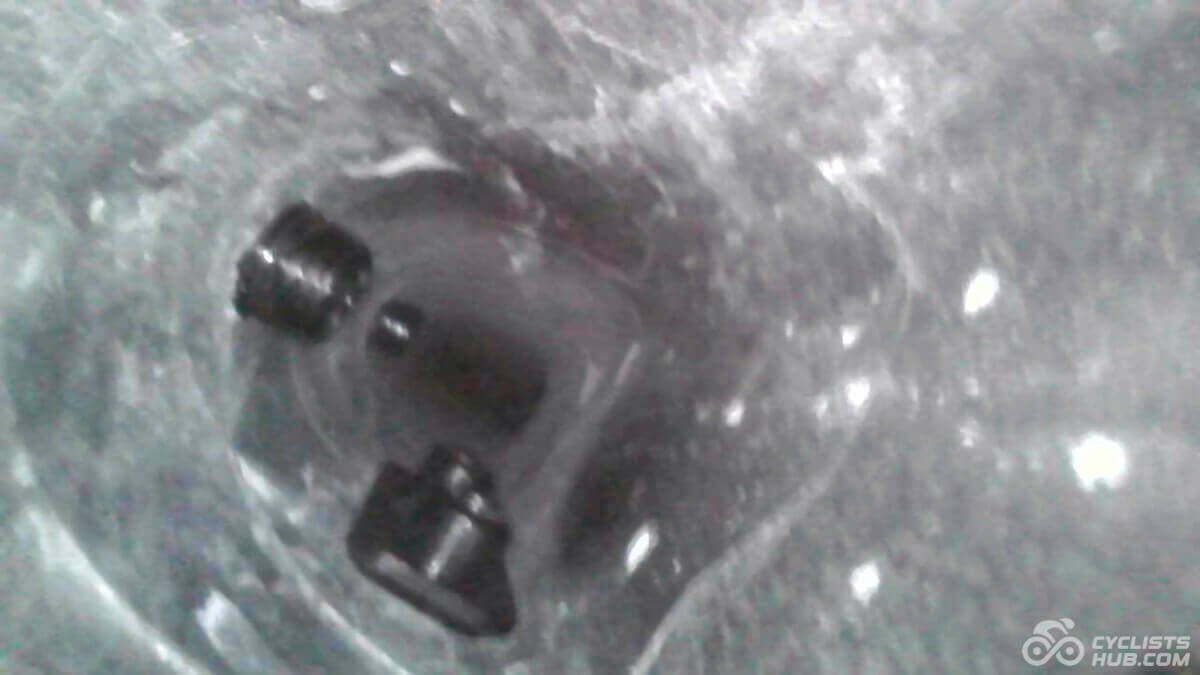
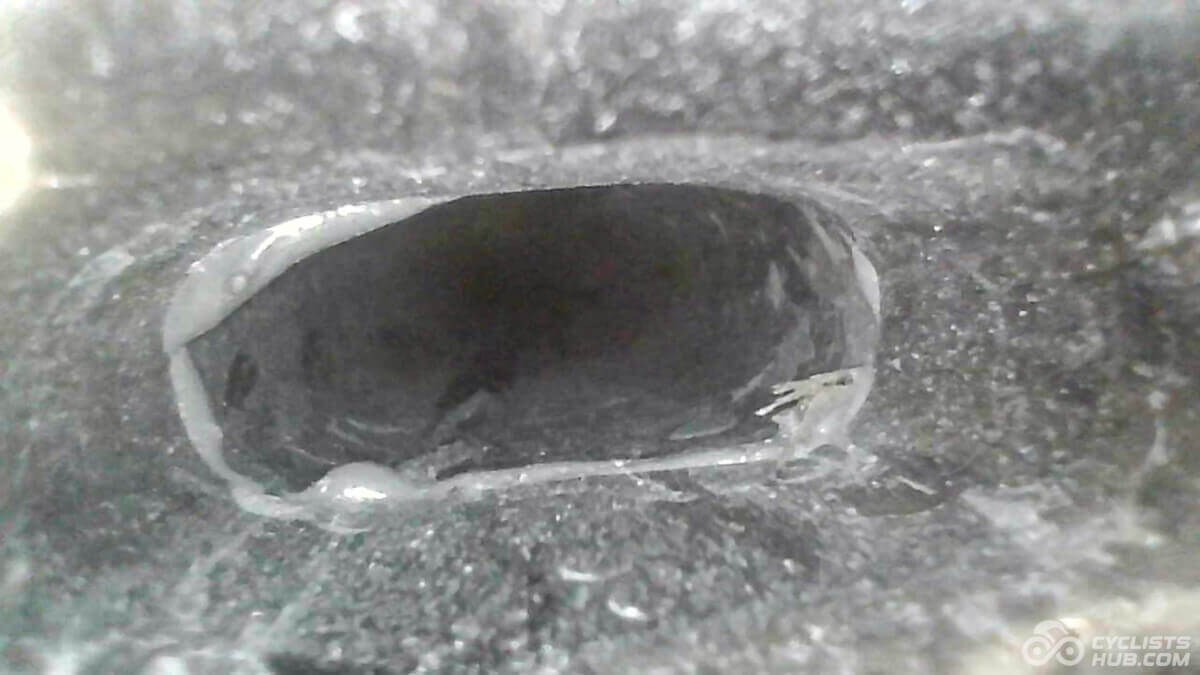
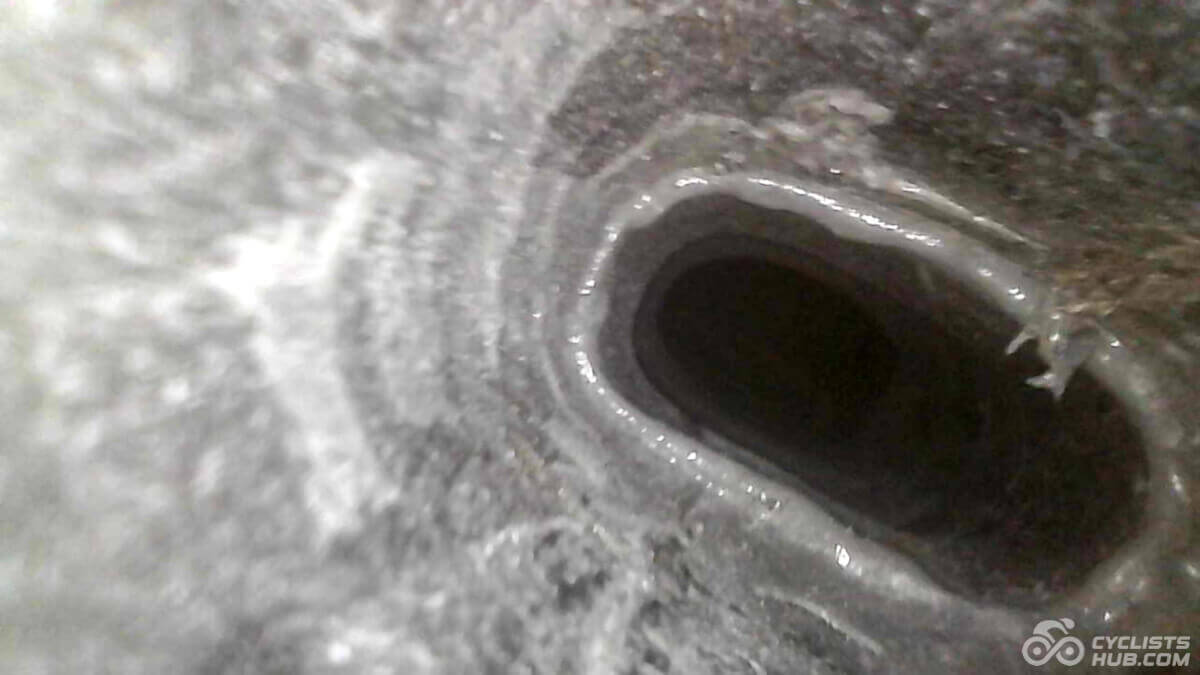
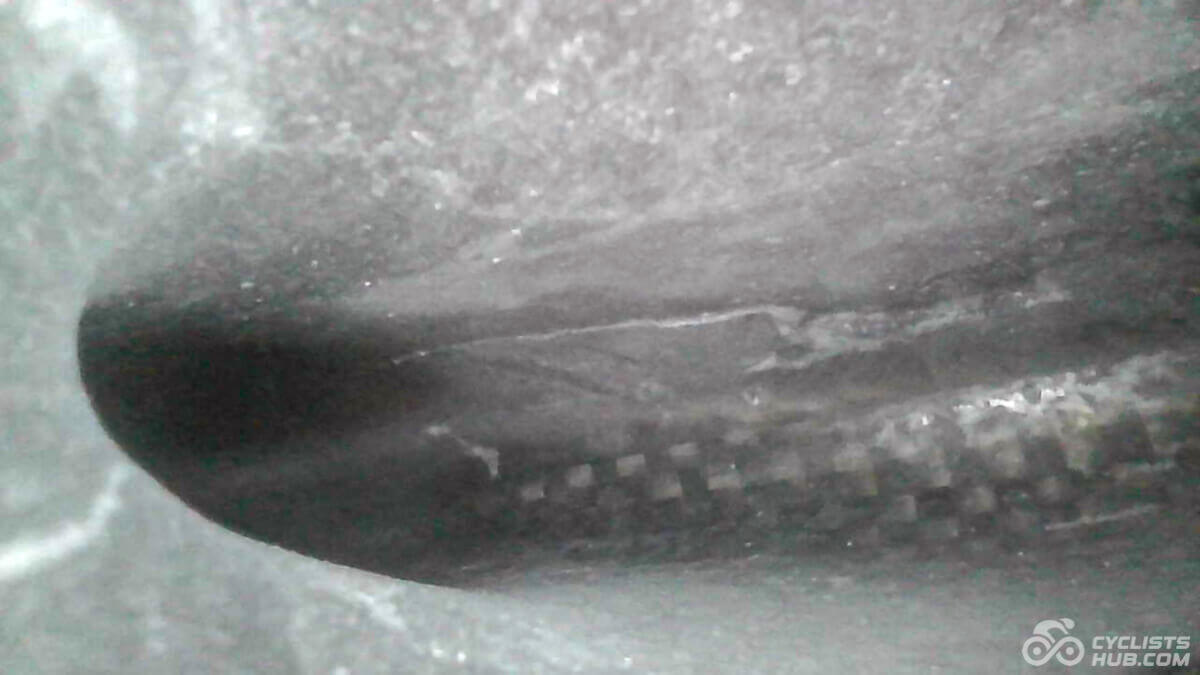
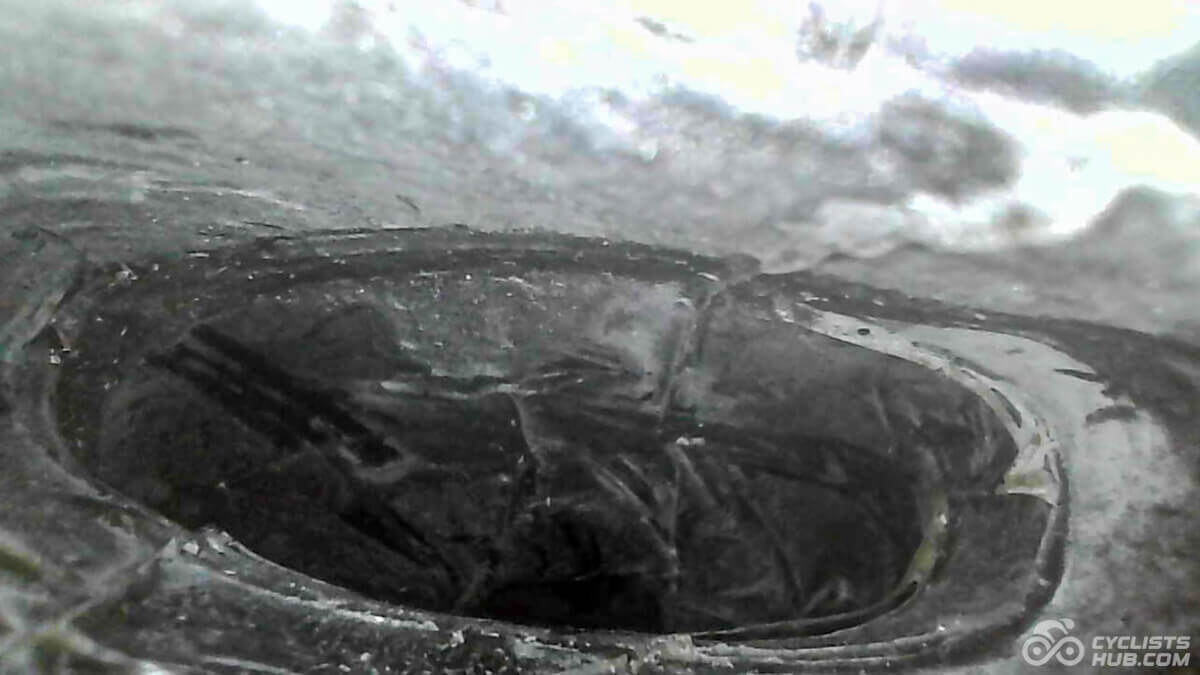
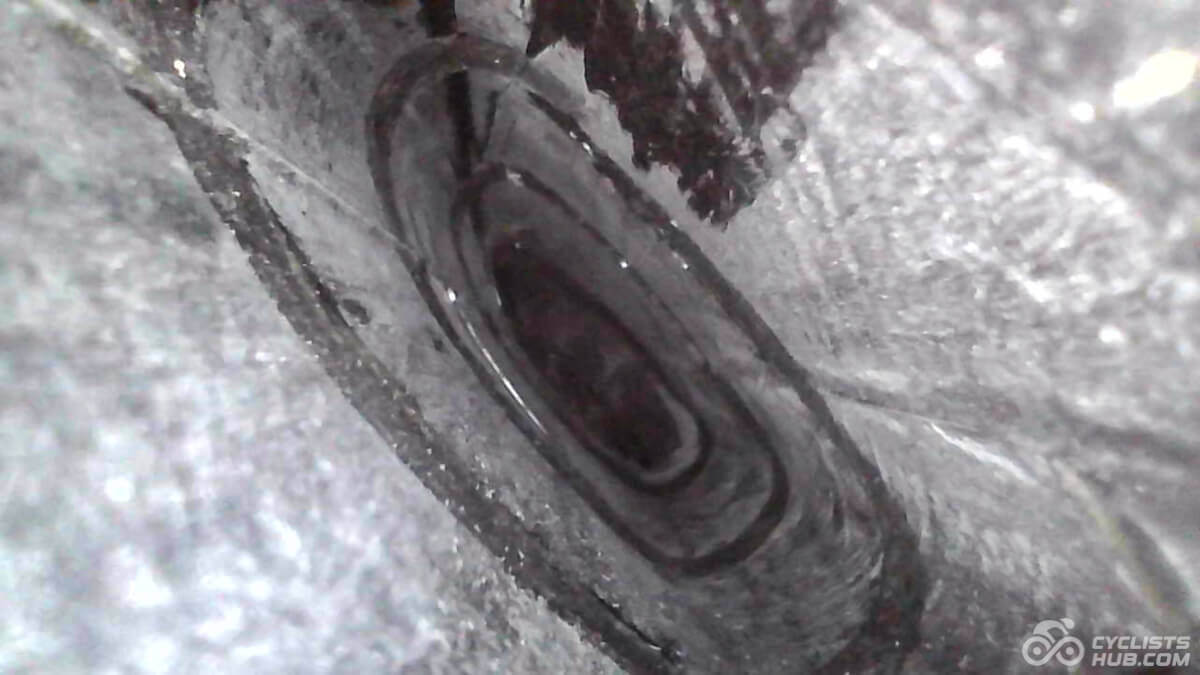
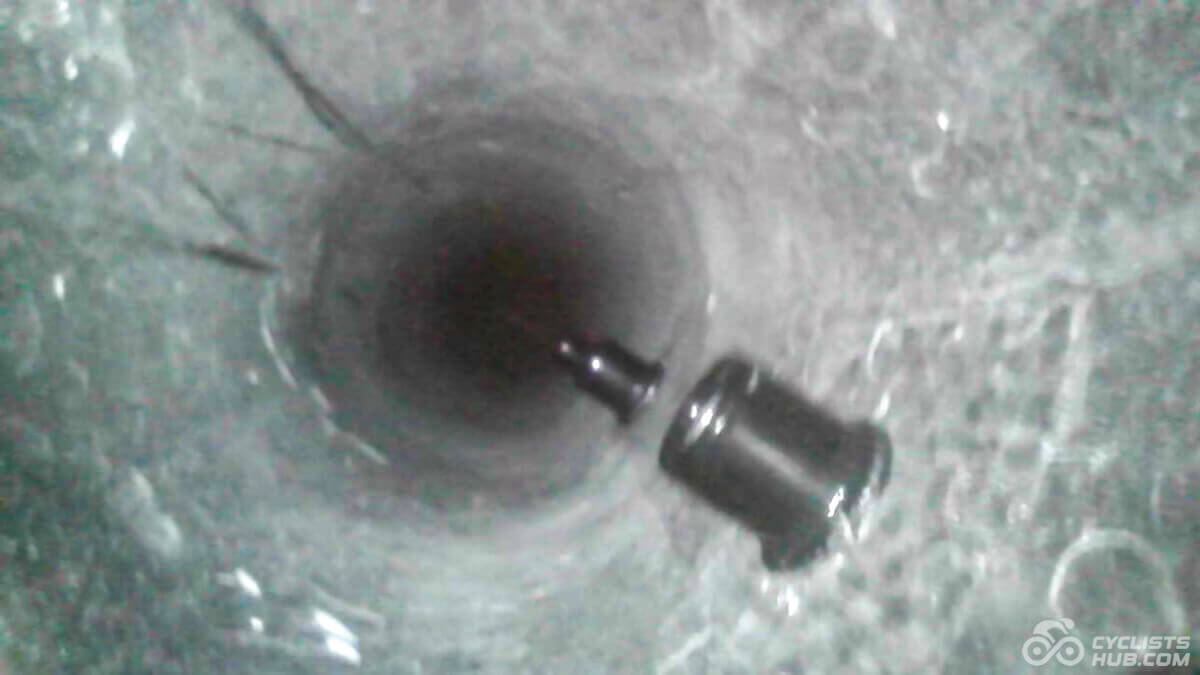
By the way, I also inspected the inside of the frame using an endoscope. The insides were clean and smooth, and the rear-and-front-triangle junction also looked a bit smoother than on the Winspace SLC5 or M6, for example.



The Build Process
Building this bike went relatively smoothly, except for two areas that I will come back to later. Evolve provides detailed torque specifications for nearly every fastener, along with a comprehensive product manual, QC sheet, and important finishing touches throughout the frame.
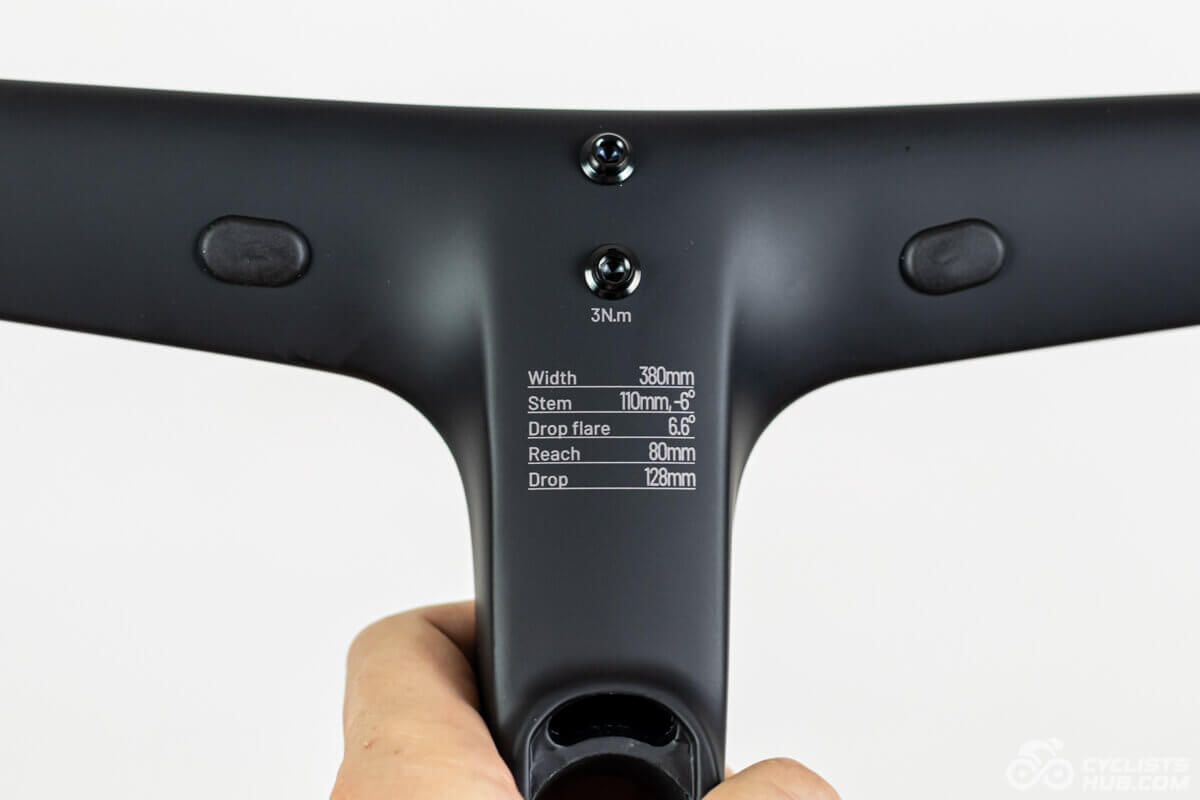
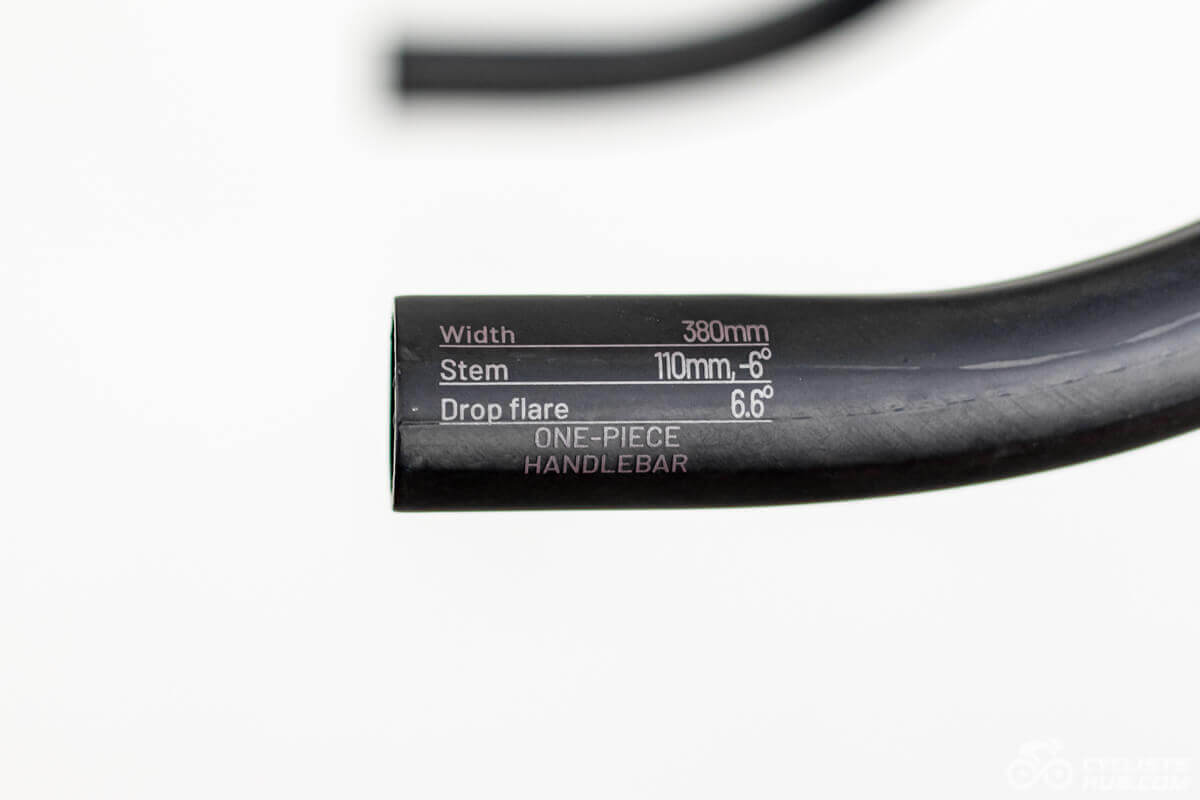
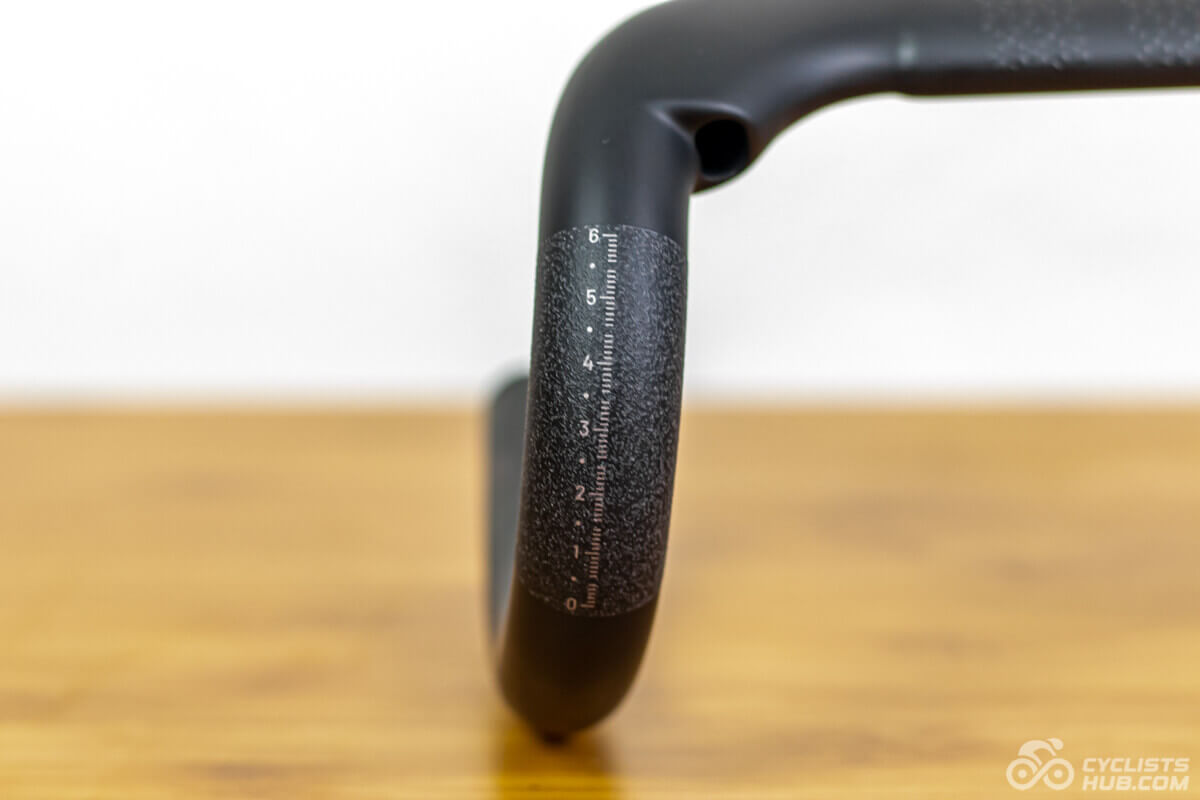
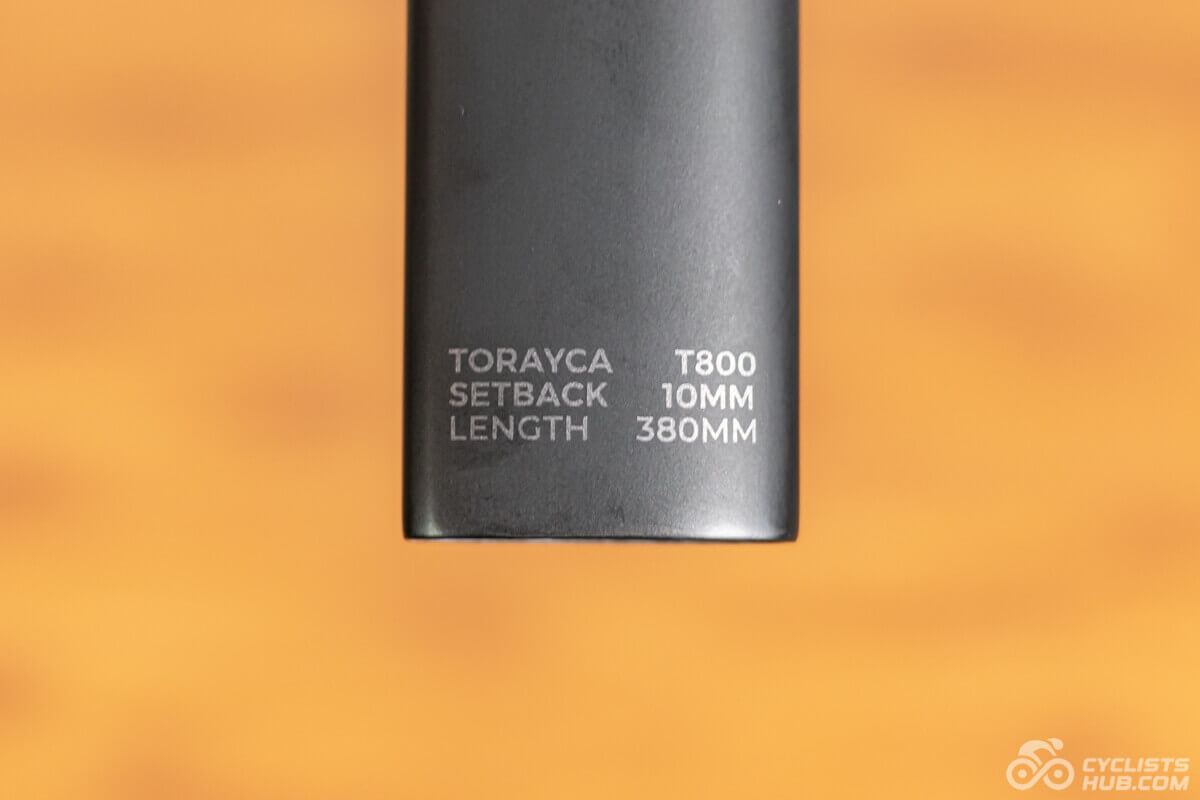
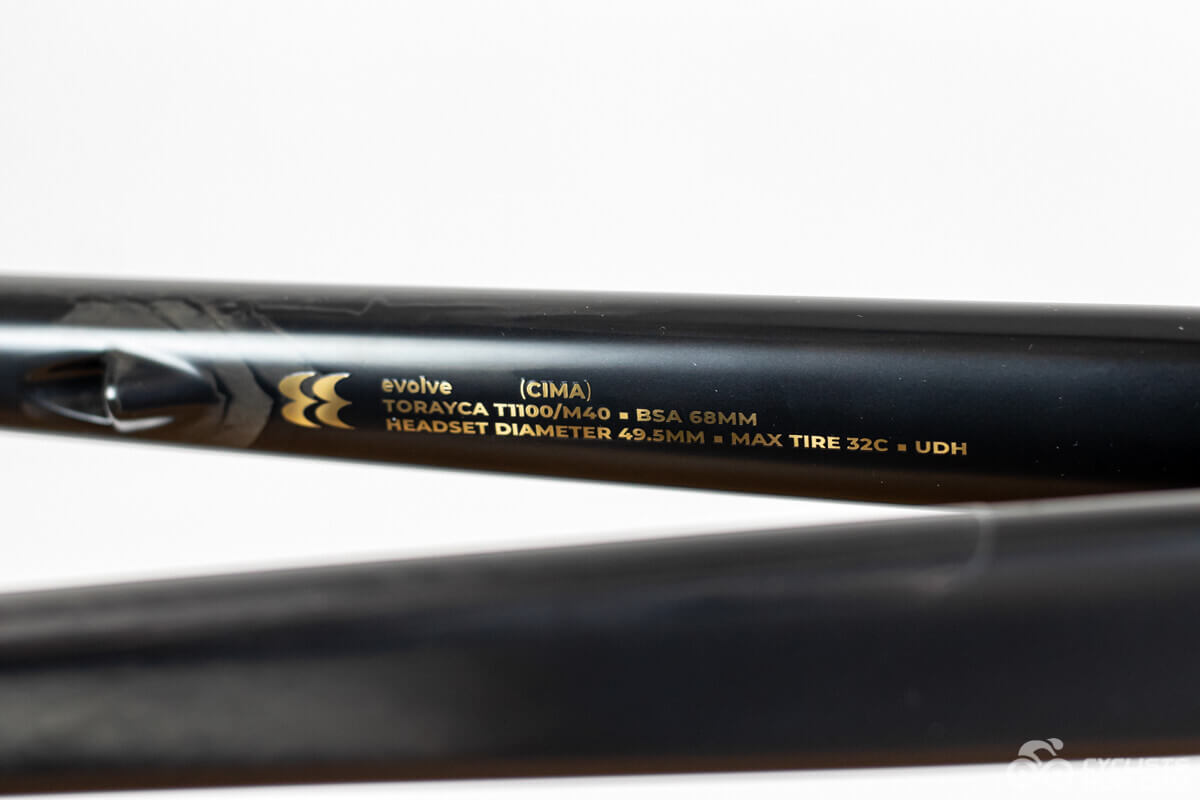


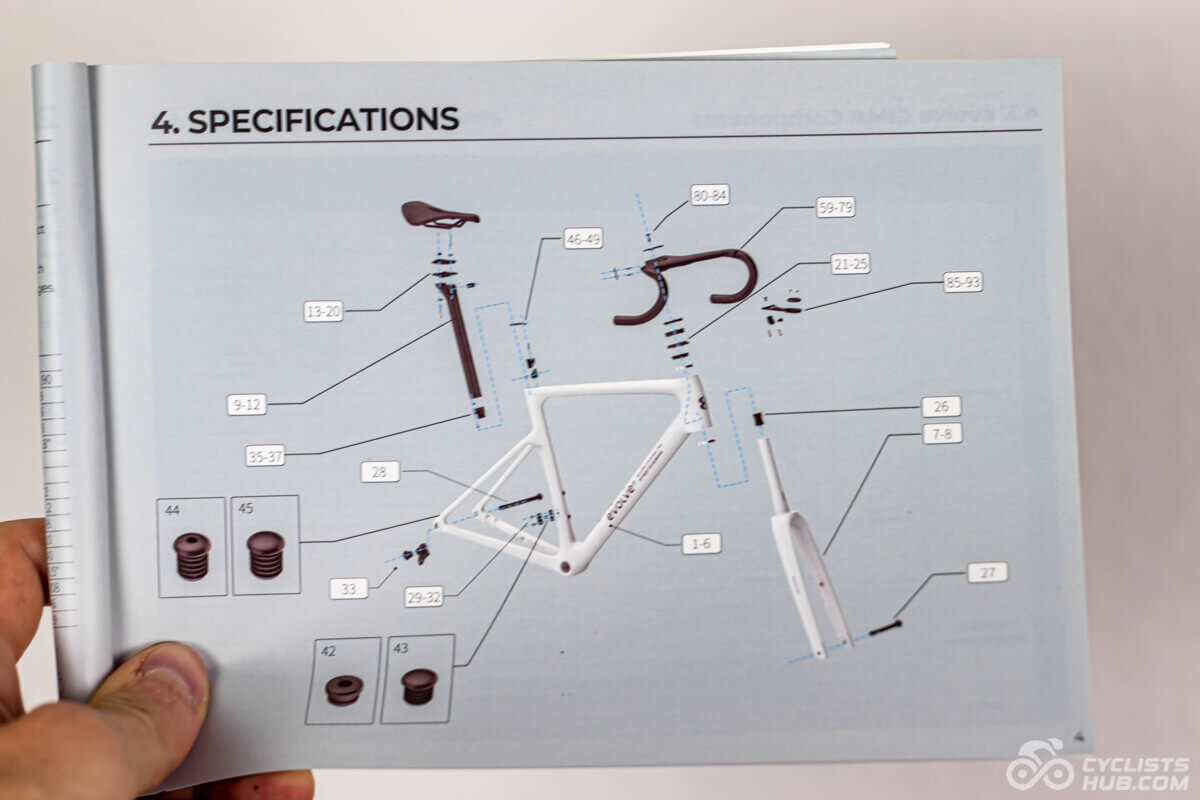
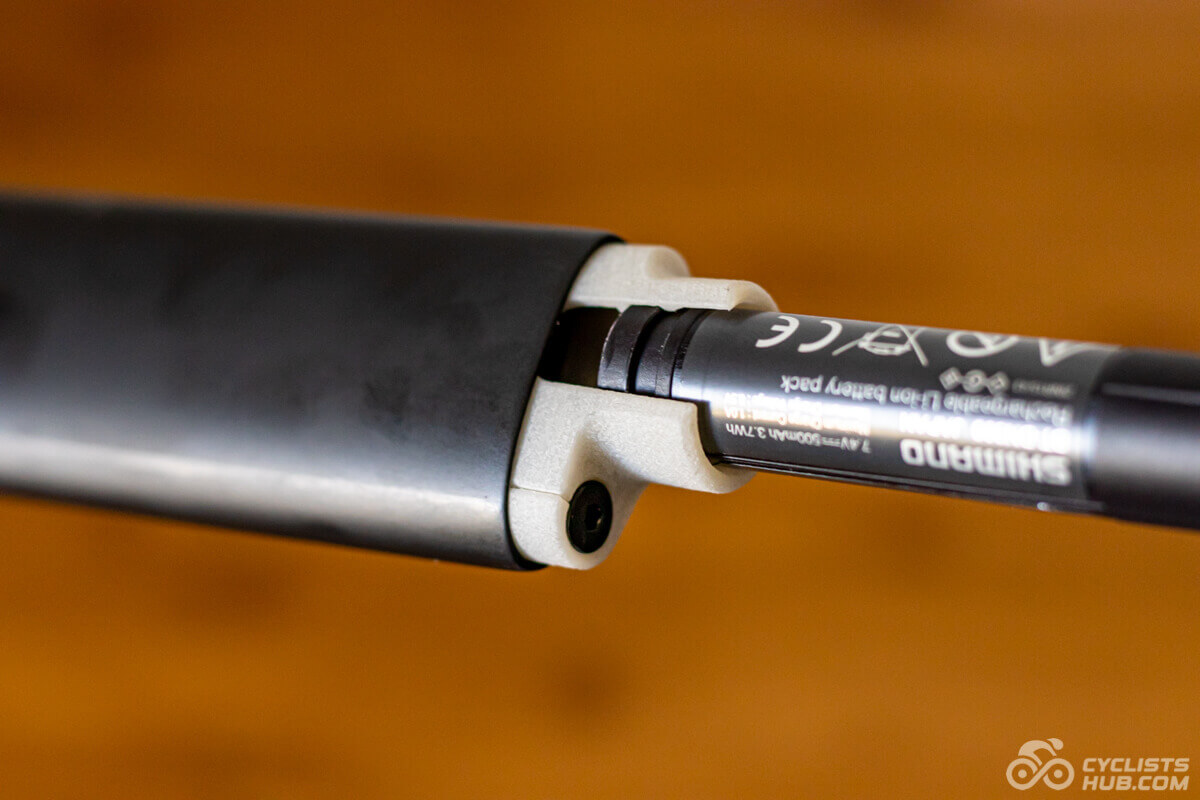
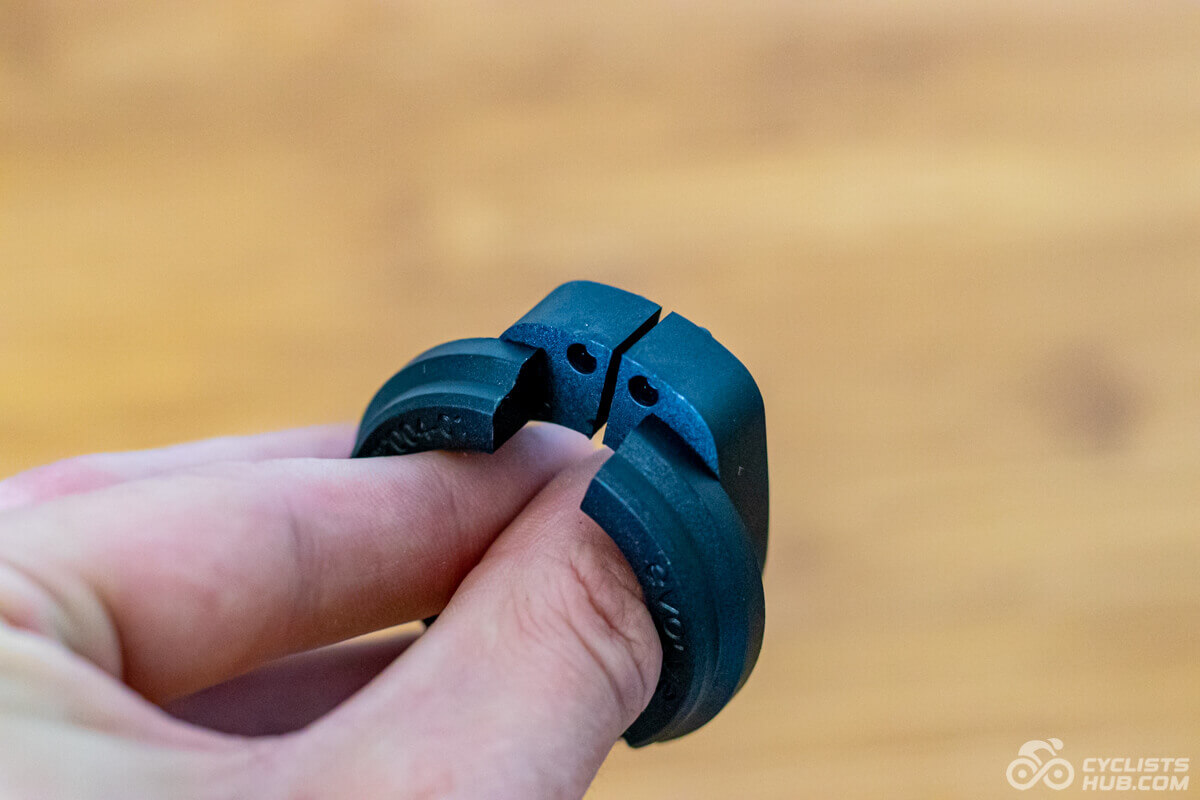
The attention to detail is refreshing. For example, because of the super-narrow seatpost, it doesn’t fit a Shimano Di2 battery, so Evolve includes a 3D-printed battery holder that keeps the battery in the seat tube. After roughly 1500 km, it still works flawlessly, so let’s see how long it stays that way, because I’ve heard the battery can come loose during long-term use.
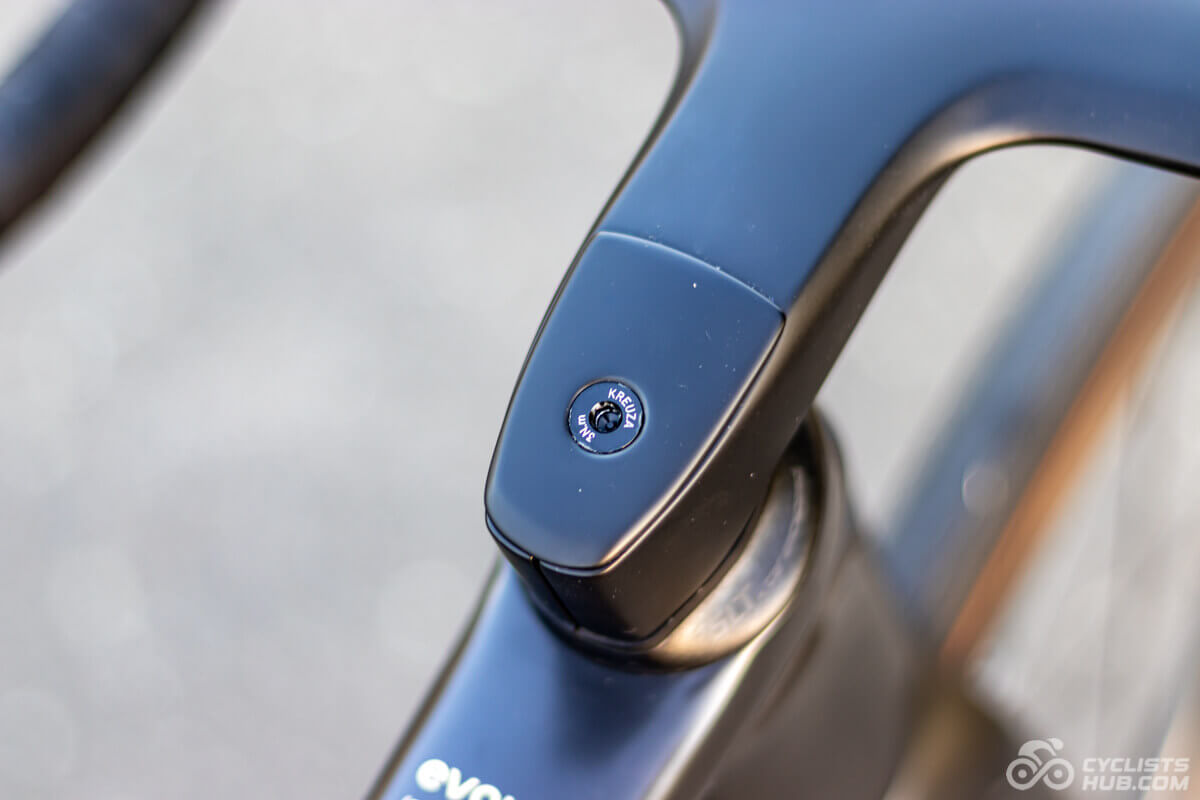
Routing the Di2 wire through the chainstay went smoothly and took me a few seconds. What made me sweat were the fork and integrated cockpit. Routing the front brake hose through the fork took me a bit longer than expected because the hose was pushed to the other wall. So, similar to the Winspace SLC5 or M6, I had to use a thin wire to take it out. The same was needed when routing the hoses through the Kreuza Apex handlebar. This was definitely the most time-consuming part of the build, taking me roughly 20 minutes.
The compression plug presented another unexpected “challenge”. It was extremely tight even when fully loosened, so this required a bit of grinding inside the steerer tube to make future maintenance easier. Except for the plug/steerer tube, all tolerances (BB, headset, brake mounts) were all point.
By the way, Evolve also includes a clever locking “knob” on the seatpost wedge sleeve that prevents the sleeve from becoming loose. The spacers are one-piece but flexible enough that you can easily remove or add them, even through the steerer tube.
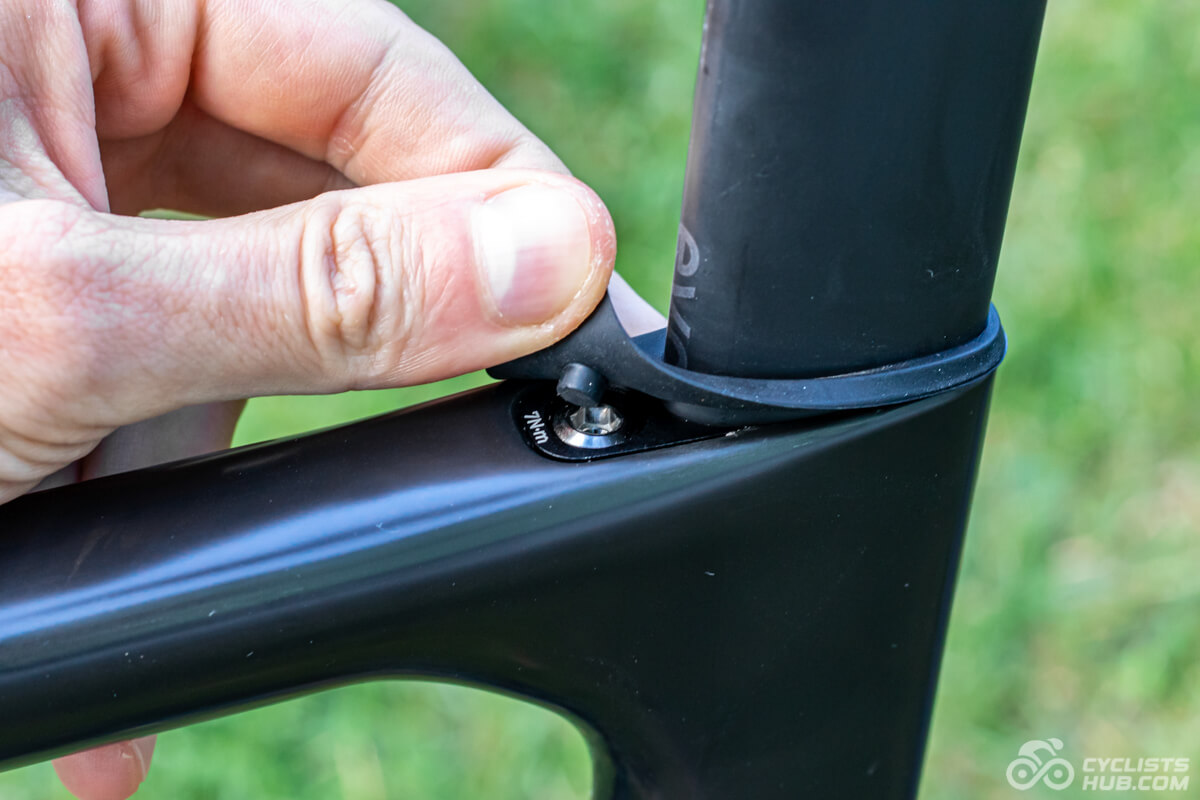
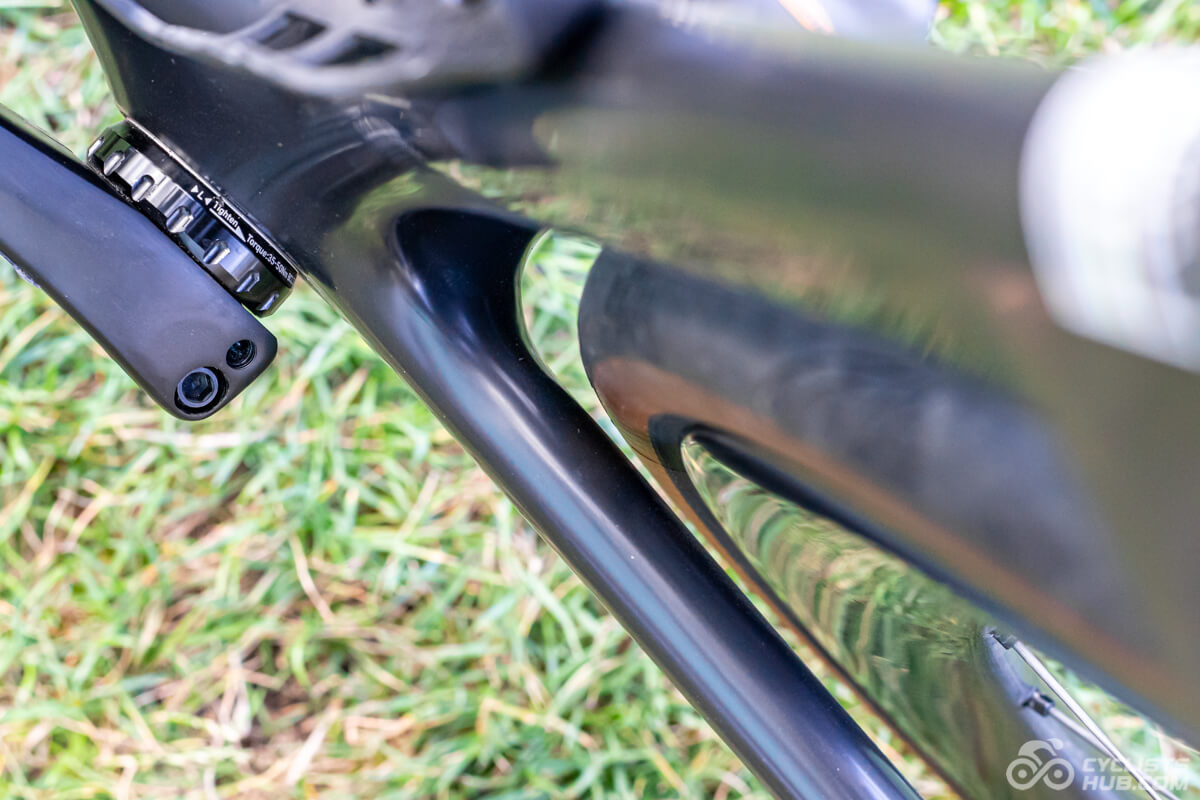
I also like the fact that the bottom bracket is threaded. CIMA uses the BSA standard, which is straightforward to install and service. After several months of hard riding, the cranks still spin cleanly with no creaking from the BB area.
Finally, CIMA includes a detailed user manual. Evolve uses a backing plate inside the frame instead of a riveted hanger. So, if you unscrew it without reading the instructions first, that plate drops inside the frame. The manual tells you exactly how to avoid that. I recommend simply leaving one screw slightly loose.
Also available at pandapodium.cc
By the way, for the weight weenies out there, below is the gallery of the individual parts and their weights. Remember that Evolve lists the weights for all sizes and paint jobs on its website. This is something I never saw before; big kudos!
My Experience with Evolve CIMA
The CIMA delivers on its promise of performance. With a build weight under 7 kg, the lightweight feel is immediately apparent the moment you pick it up. The ultra-thin top tube served me as a constant reminder of the frame’s focus on low weight. One more note, though: As you can see from the specs, I haven’t focused on making this the lightest build possible. I’ve used mid-range Ultegra parts, and the Elitewheels DRIVE II are also not the lightest. I could easily shave another 500g using different wheels (like the Particle GCX45 Hyperlight or UPVINE Ultra 40D), a lighter cassette, disc rotors, and eventually the groupset.
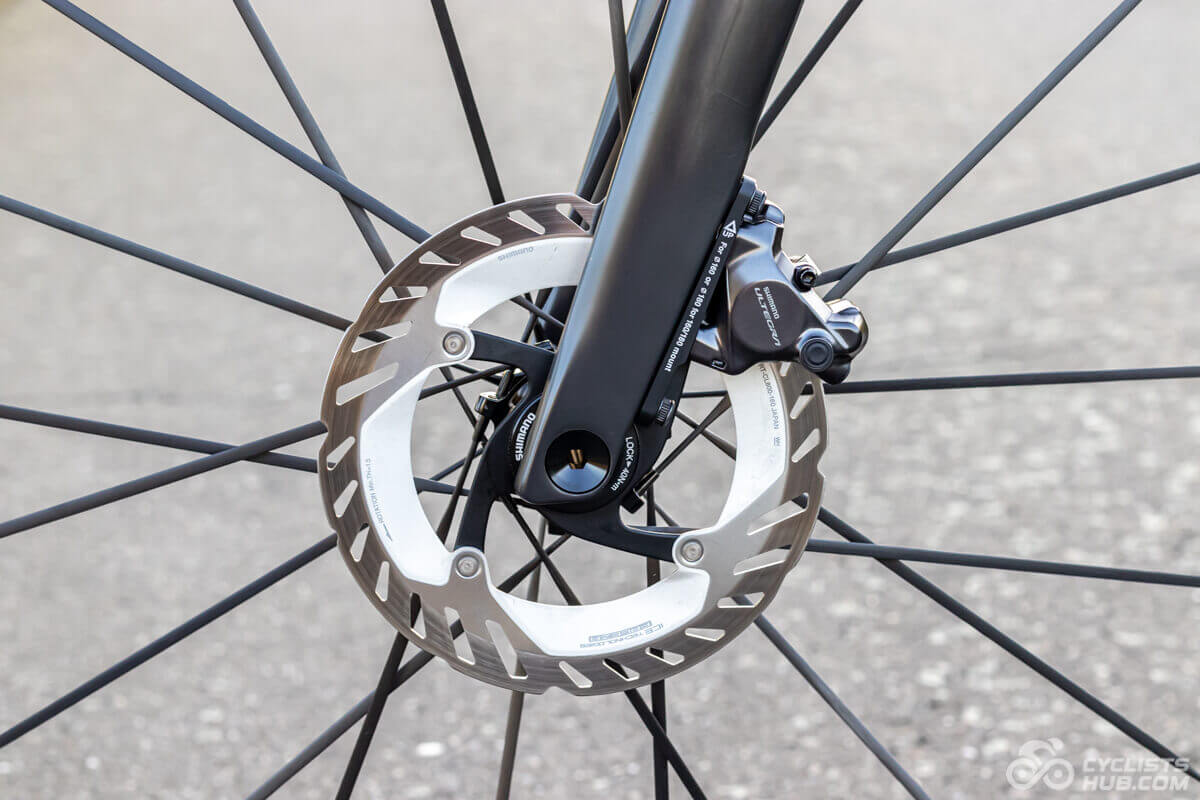
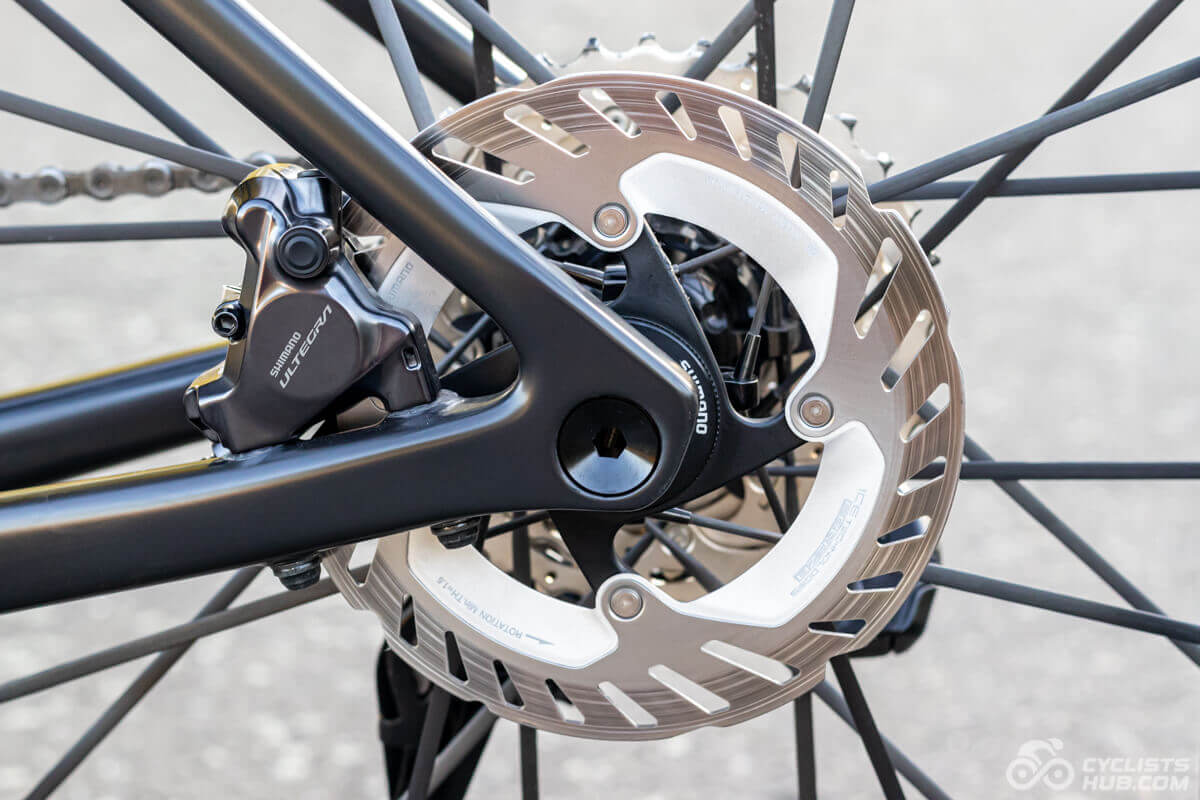
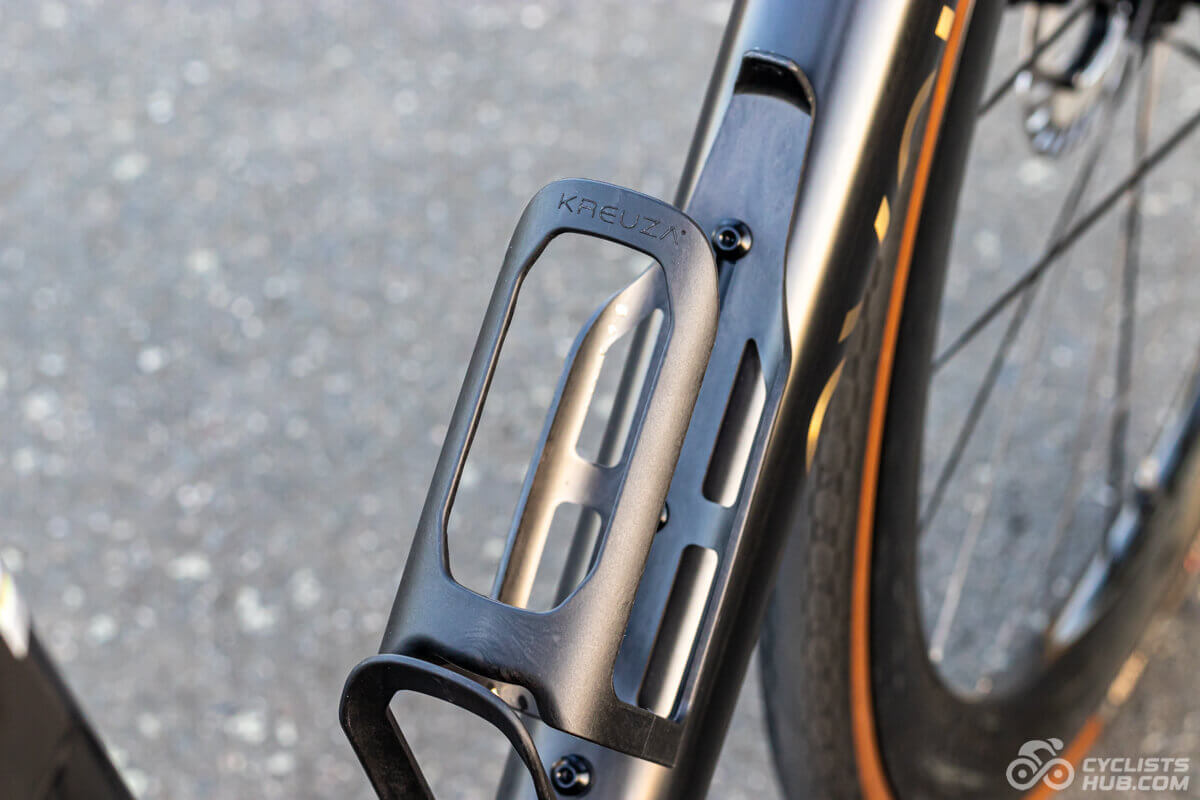
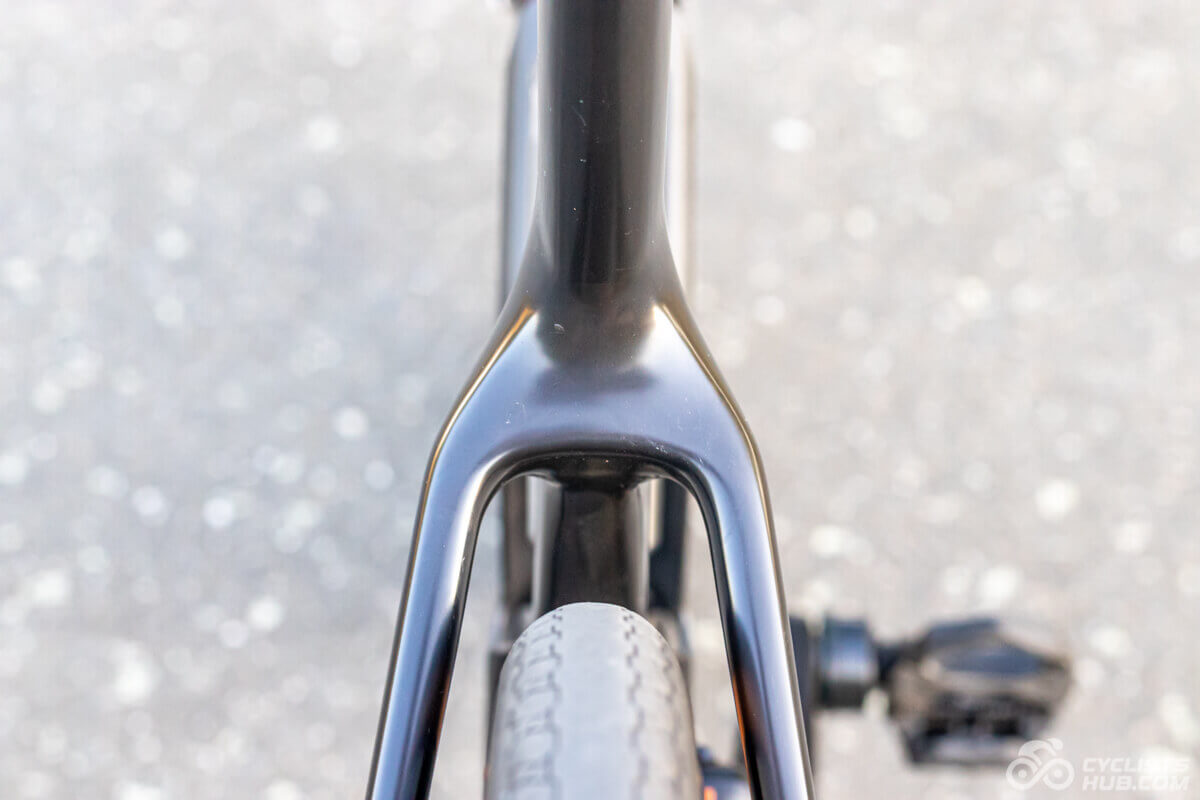
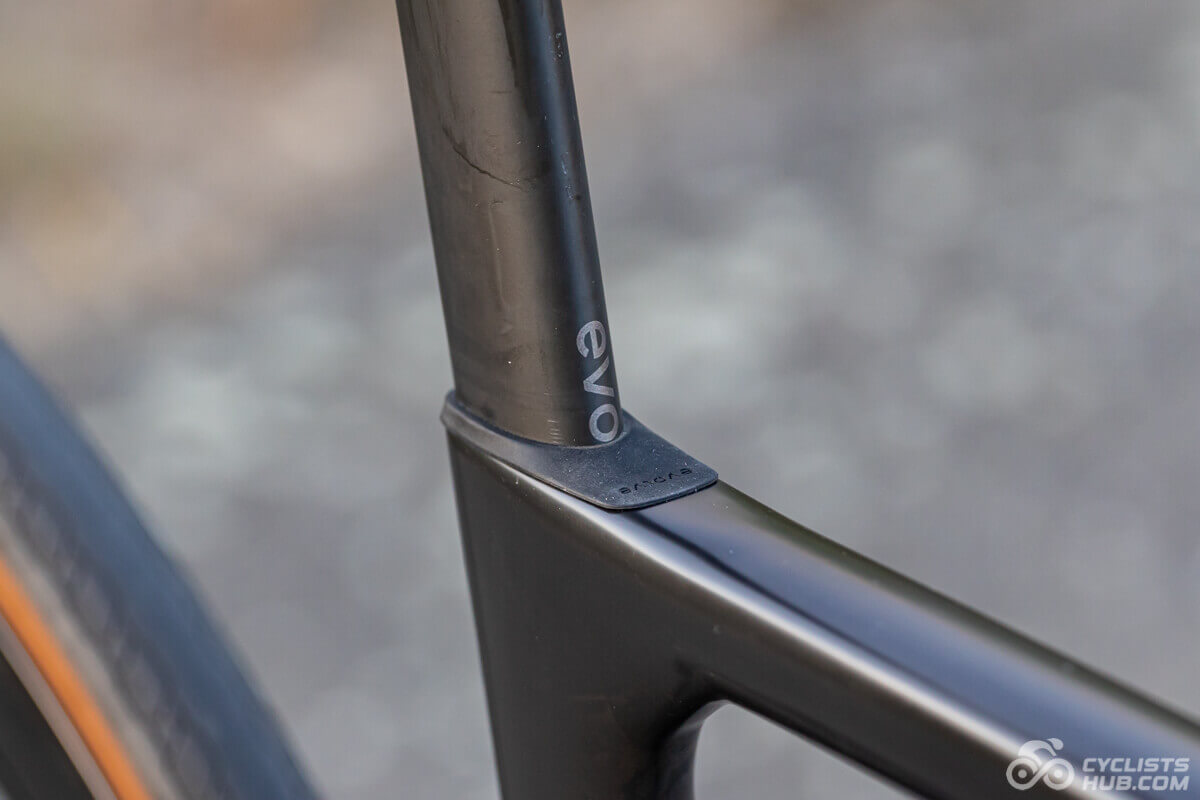
The most striking characteristic I immediately noticed during my first ride was the frame’s stiffness. Compared to the SLC5, the CIMA feels noticeably stiffer, particularly during out-of-saddle efforts and accelerations. The SLC5 feels like it absorbs some watts in the bottom bracket area, but the CIMA feels like it translates power more directly into forward motion. This stiffness advantage is immediately noticeable when climbing and accelerating, making the frame feel more responsive and efficient.
What impressed me most is that Evolve achieved this increase in stiffness without sacrificing ride comfort. The Evolve seatpost plays a crucial role here. Its compliant design effectively absorbs road vibrations and chatter, reducing vibration fatigue on long rides. The overall result is a frame that feels firm and performance-oriented while remaining comfortable enough for longer rides. This is precisely the balance that many riders seek, but few frames successfully deliver.
The CIMA accommodates up to 32mm tires at their nominal width, which is one of the biggest weaknesses of this frame because it’s limiting for wider setups. 32mm tires typically inflate slightly wider than their rating, reaching around 34mm in actual width, and they fit within the frame with minimal clearance.
I would not recommend pushing beyond the 32mm nominal limit, as anything wider risks rubbing on the frame or seatstays during aggressive efforts. For riders seeking that balance between volume and frame compatibility, staying in the 28mm to 32mm range is the practical sweet spot.
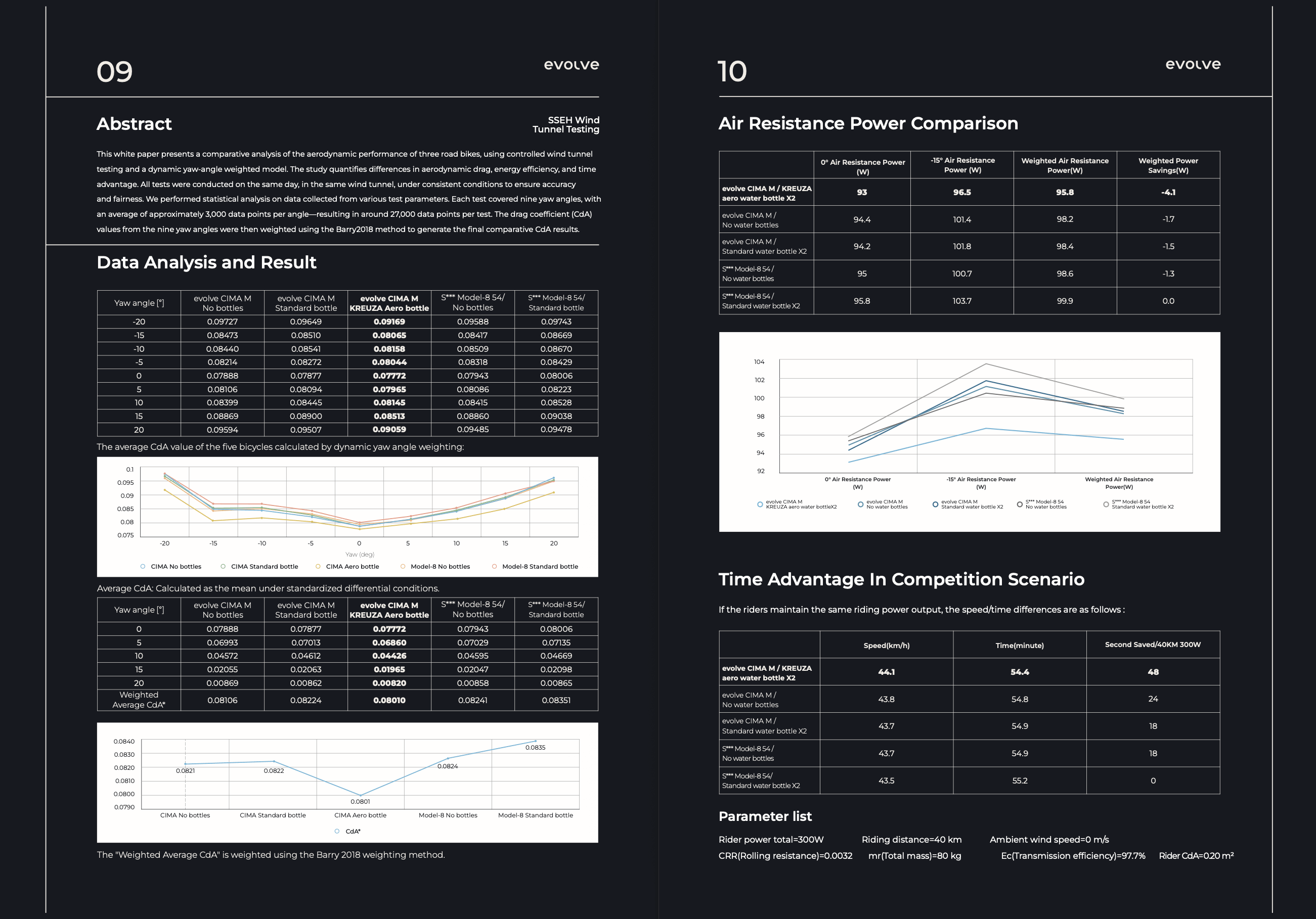
The whitepaper from Evolve includes detailed wind tunnel testing conducted at Silverstone Sports Engineering Hub, which quantifies the Cima’s aerodynamic advantage. The frame delivers 4.1 watts of power savings compared to competitor bikes in its class.
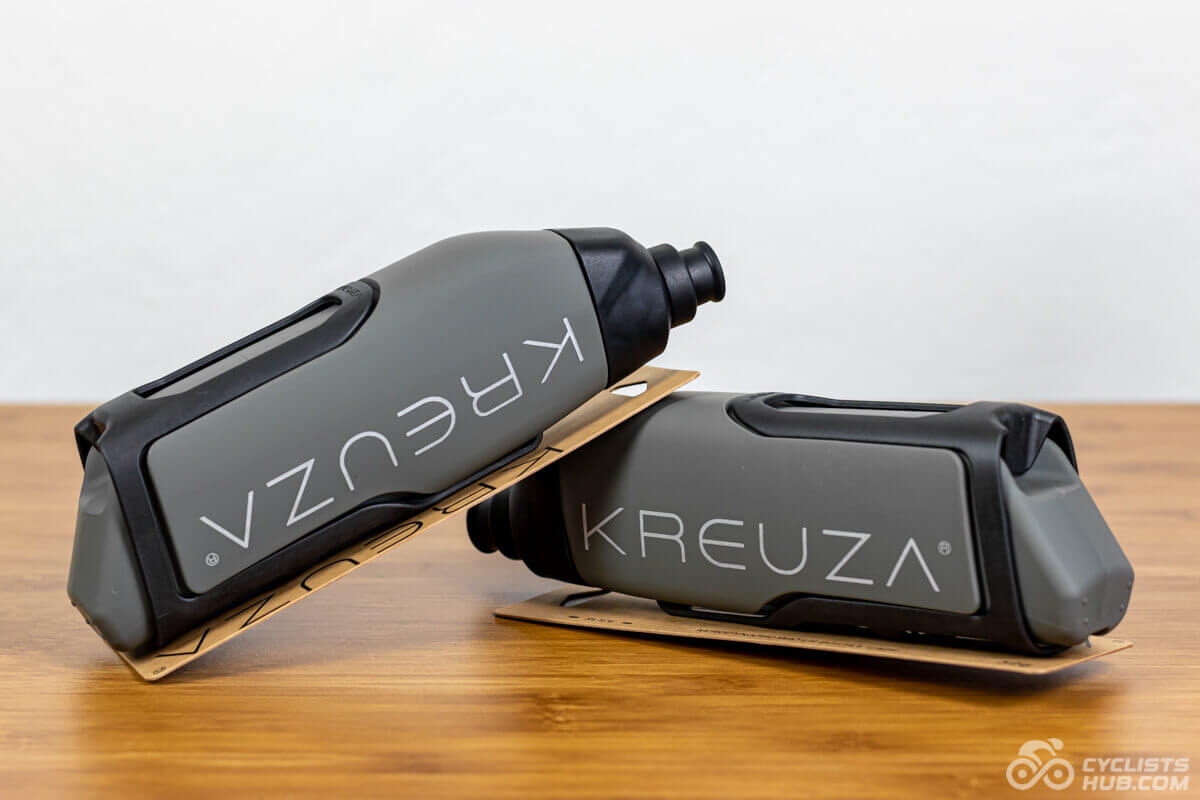
Translated to real-world racing conditions at 300 watts of rider output over a 40km effort, this works out to roughly 48 seconds gained compared to the competitor baseline (S-Works SL8), with the CIMA achieving 44.1 km/h versus 43.5 km/h. Remember, Evolve designed its own Kreuza Slice aero bottles to achieve even better results (see the charts below).
High-speed stability depends heavily on wheelset choice, which is the case with most modern road frames. During my testing with 50mm and 60mm rims, the CIMA felt as stable as the Winspace SLC5, remaining composed through crosswinds and predictable at 50+ km/h in moderate to strong gusts.
Overall, I enjoy this bike as it offers the perfect balance of stiffness, comfort, and weight. I plan to upgrade it to squeeze the weight under 6.5 kg, making it my all-rounder pick (I will still pick the Winspace T1600 for high-speed rides on flats).
Geometry
CIMA is available in an impressive range of options. Beyond the six frame sizes (XS, S, M, ML, L, XL), you can select from three handlebar widths and seven different stem lengths with the Kreuza Apex cockpit. The seatpost is also available in three offset options, allowing riders to dial in their perfect fit. This level of customization is rare and valuable for achieving optimal geometry and comfort. It also clearly caters to experienced riders who know what they want and how to navigate geometry charts.
CIMA features distinctly Western geometry with a slightly taller stack height than many other Chinese frames, sitting about 7 mm higher than the Winspace SLC5 and 3 mm lower than a Specialized SL8. Its steep 74° seat tube angle positions the rider well forward over the bottom bracket. Combined with a tight wheelbase and a steep 73.8° head tube angle, this gives the bike a lively, quick-steering front end.
The main driver here is trail. The steeper head angle shortens the trail figure (57 mm compared to 60.1 mm on the SLC5), which reduces how strongly the front wheel wants to self-center when you take your hands off the bars. If you like a lively front end, you will enjoy it. If you prefer something more settled, factor this in before buying.
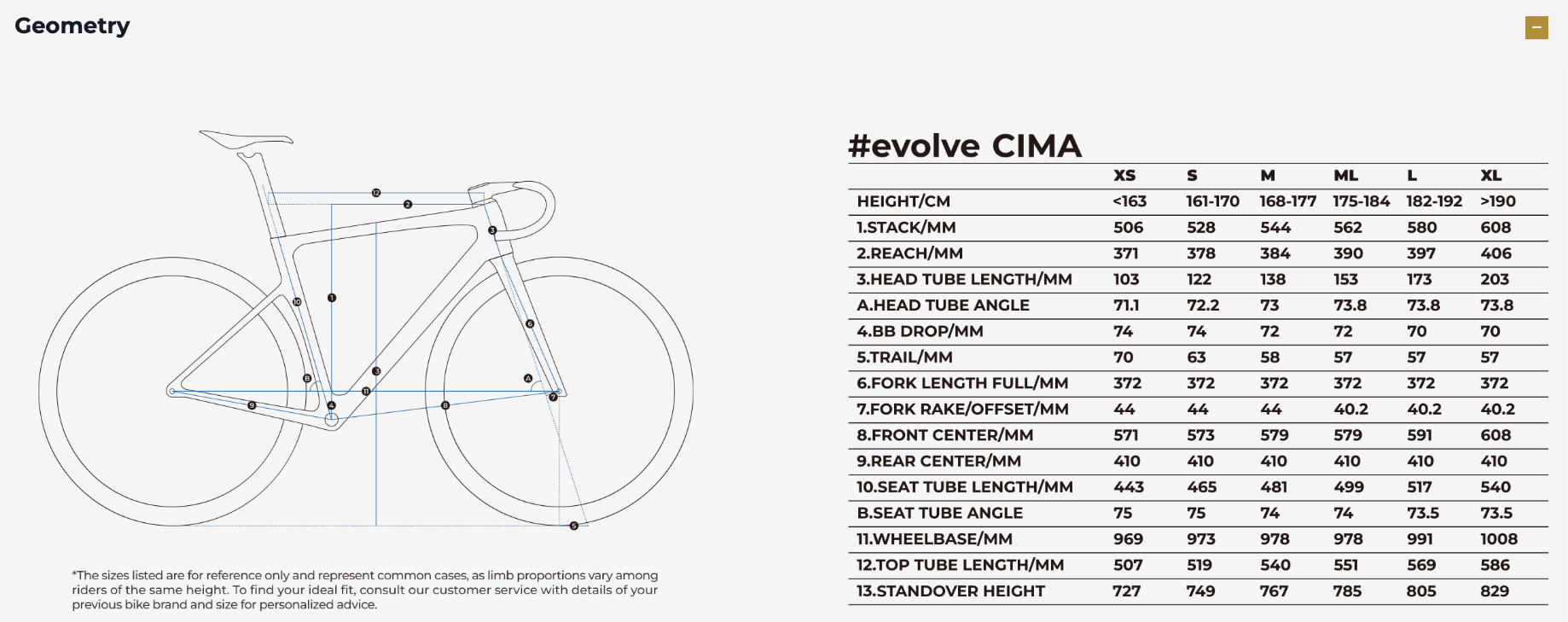
One more note on the handlebar geometry: The “stem” section appears shorter than typical due to the frontsweep design. This is quite the opposite of the Winspace HYPER Cockpit (see the images below). Double-check how exactly the stem length is measured for a given cockpit. There is a lot of confusion around this.
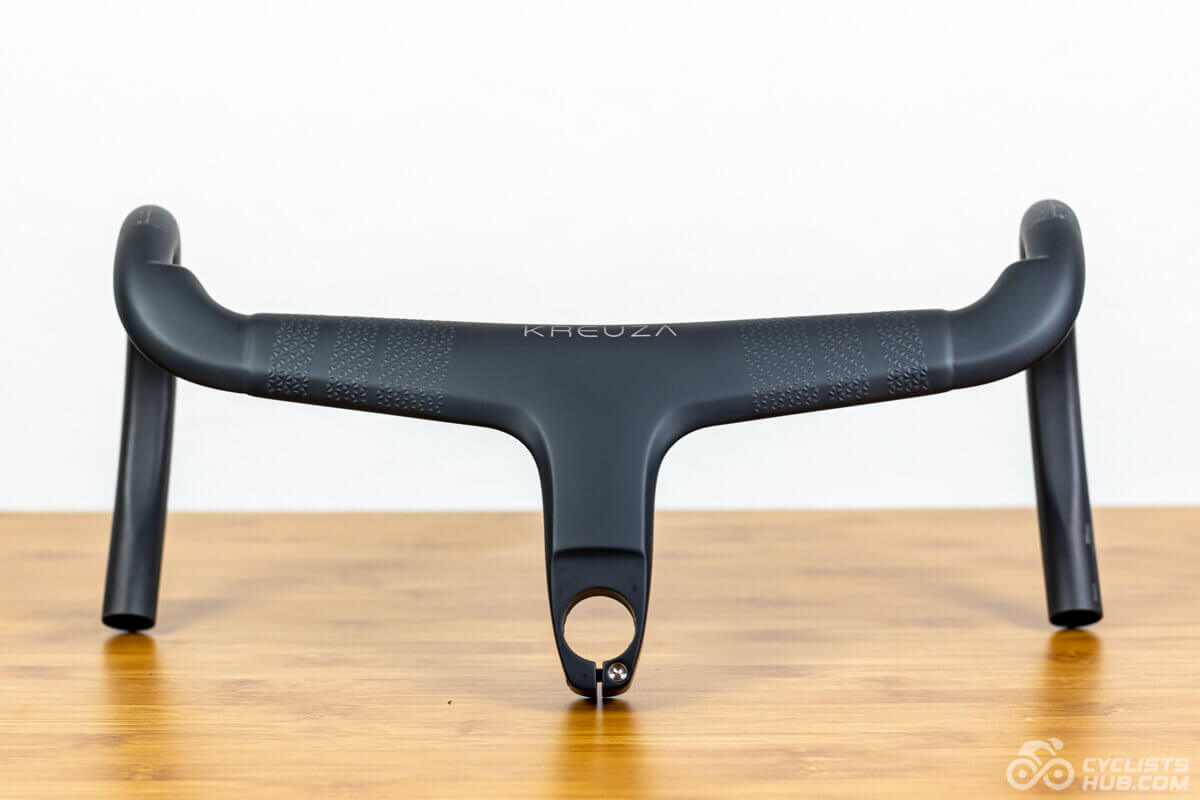
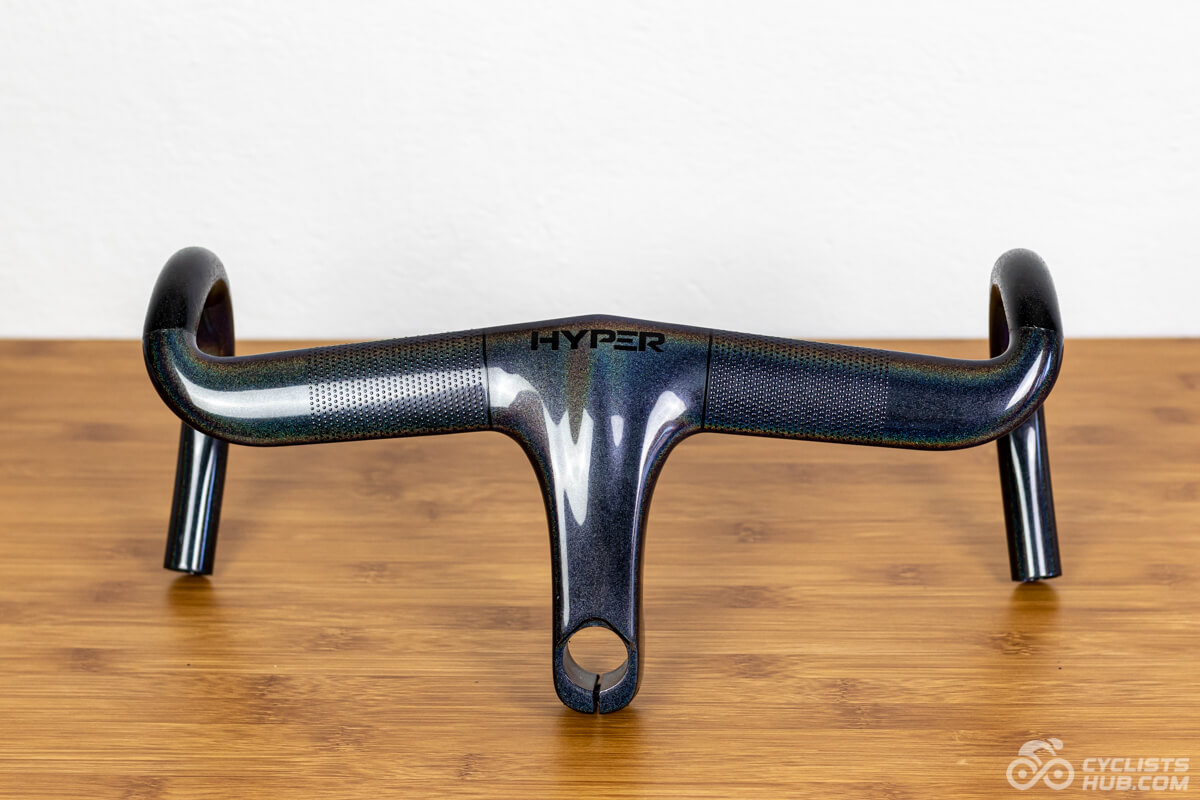
Personally, I prefer the ergonomics of the backsweep handlebars because they conform more naturally to the shape of the palm. On the other hand, the frontsweep handlebars force you to open your elbows and chest slightly, which could improve breathing when riding on the top of the handlebars.
Another thing to keep in mind is the toe overlap. I wear size 45 shoes and set my cleats as far back as possible. This essentially shifts the entire shoe forward, causing significant overlap. This problem is caused in part by the frame geometry (wheelbase and front-to-center length) and also by the wider, 32-mm tires.
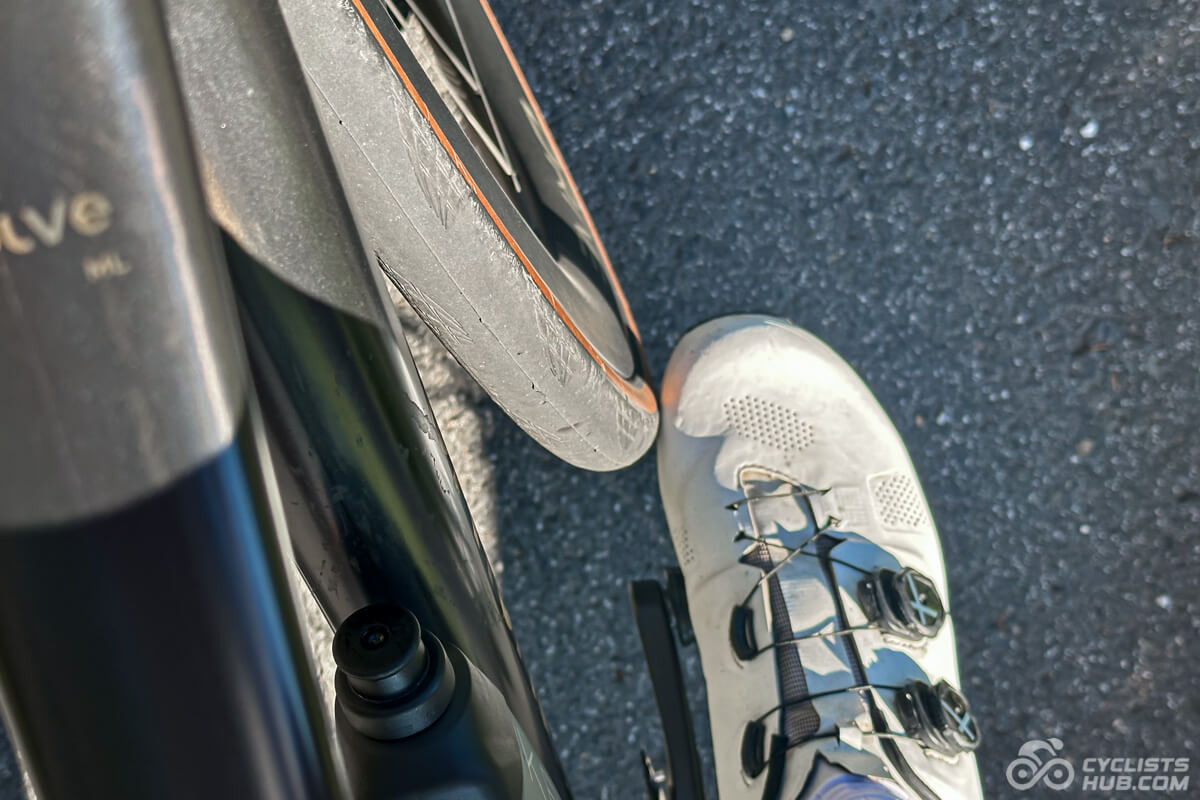
On the other end of the foot, larger-footed riders should also watch for drive-side heel rub. Because UDH hardware is wider than a traditional dropout, the chainstay flares out slightly further on the drive side to keep the frame junction clean. I wear size 45 shoes and haven’t experienced heel rub myself, but if you wear size 45-plus shoes or push your cleats far forward, you might.
Pricing
The Evolve CIMA ($2,299) offers superior value to the Winspace SLC5 ($2,900). I would be curious to see a head-to-head comparison of these two frames from the wind tunnel, but they feel similarly fast. SLC5 feels slightly more comfortable but lacks the overall stiffness.
Compared to the Specialized SL8 ($3,500), the CIMA offers better value on paper. You’re paying more mainly for the logo. The CIMA matches the SL8 in weight, but I can only guess the ride characteristics, as I have not tried it yet. The SL8’s (potentially SL9’s) advantage is resale value and brand prestige.
The Quick Pro AR:ONE ($1,999) is the cheapest of these, but I haven’t tested it. Other, more expensive Chinese alternatives worth considering might include options like the Quick Pro UR:ONE ($2,799) or SEKA Spear RDC ($2800). I have not ridden these yet, so I cannot tell you where they sit relative to either of these.
There is also the customer experience to consider. I received this frame directly from Evolve for review, which means I can’t guarantee that a paying customer’s experience will match mine. Not just Evolve, but all Chinese brands need to deliver reliable customer service alongside a great frame.
Trustpilot reviews show Evolve does well. After-sales support is often the Achilles’ heel for emerging DTC brands, so seeing consistently positive owner reports makes Evolve stand out from many of its direct competitors.
If you want to hear from actual owners before deciding, I have a Facebook group where we discuss Chinese carbon bikes. See you there!
My Verdict
The Evolve CIMA is a thoughtfully engineered, lightweight frame that successfully bridges the gap among raw performance, rideability, and price. In real-world riding, this engineering philosophy pays dividends. The frame delivers the responsive feel that performance-minded riders crave while maintaining comfort thanks to the compliant seatpost.
The assembly challenges posed by the Kreuza handlebar and fork design were frustrating but solvable, even for me as a not-so-experienced builder. The extreme tightness of the compression plug, however, suggests room for improvement in quality control. These are minor flaws on an otherwise impressive package, especially given the comprehensive documentation, which is uncommon among Chinese brands.
The versatility offered by multiple frame sizes, handlebar widths, stem lengths, and seatpost offsets is genuinely valuable and sets the CIMA apart from many competitors. This level of customization enables riders to achieve their ideal fit without resorting to alternative components.
Considering this is the first frame from Evolve, it’s impressive how many things they’ve done right. This makes me believe it was not their first frame, but they designed one or two for some Western brands. But that’s just speculation, and don’t take my word for it. I’m looking forward to seeing what they come up with. Imagine a pure-bred Evolve aero frame.
Anyway, I hope you find this review helpful. If you plan to buy CIMA, please consider using the link below.
Also available at pandapodium.cc

The product for this review was kindly provided by the manufacturer. This did not influence my overall verdict or my opinion about the product. You can learn more about how I approach reviews here.

Que te parece montarla con el manillar de gravel, crees que sería factible???
Yes, it’s doable, but except for the handlebar flare, I don’t see the benefit. There are also road bike handlebars with a bit flare, so no need to buy gravel ones. 🙂
Looking at your Strava, you really went up the Leberstraße, aka the Styrian Muro di Sormano near Graz at the start of your ride, massive respect!
Haha, yeah. I didn’t know there was a wall like that, so I had no choice but to keep going. 😀 But I like challenges like this one. 🙂