

Cyclists Hub is supported by its readers. We may receive a commission if you buy products using our links. All content on Cyclists Hub is written by humans, not robots. Learn More
- 5Reliability
Reliability
Whether the radar misses vehicles (false negatives) and how often it raises false positives.
5/5: Almost no false positives (1 to 3 per 5-hour ride)
- Average
- 3.7
- Min
- 1
- Max
- 5
- Same score
- 5 of 14
- 5Multi-object Detection
Multi-object Detection
How accurately the radar detects and tracks several vehicles at once.
5/5: Accurately tracks 5 or more objects
- Average
- 4.4
- Min
- 3
- Max
- 5
- Same score
- 7 of 14
- 4Battery Life
Battery Life
Real battery life measured on rides until the battery runs out.
4/5: 15 to 20 hours
- Average
- 2.9
- Min
- 1
- Max
- 4
- Same score
- 5 of 13
- 3Brightness
Brightness
Light output in solid mode, which makes you more visible to drivers.
3/5: 10 to 15 lumens in solid mode
- Average
- 4.2
- Min
- 2
- Max
- 5
- Same score
- 3 of 14
- 3Side Visibility
Side Visibility
How visible you are from the side; some radars have side LEDs, others do not.
3/5: Somewhat improves side visibility
- Average
- 3.3
- Min
- 1
- Max
- 5
- Same score
- 1 of 14
- 4Mount
Mount
How firmly the mount holds the radar and how practical its design is.
4/5: Firm and practical, fits most seatposts
- Average
- 3.5
- Min
- 1
- Max
- 5
- Same score
- 6 of 14
- 1App
App
One point each: replaces a bike computer, extra radar settings, firmware updates, intuitive modern design, reliable connection.
1/5: Meets 1 of the 5 app conditions
- Average
- 3.6
- Min
- 1
- Max
- 5
- Same score
- 1 of 14
- 3Price
Price
Recommended retail price before discounts.
3/5: $150 to $199.99
- Average
- 3.5
- Min
- 1
- Max
- 5
- Same score
- 5 of 14
- Tested with our bike radar methodology
- Price
- $185
- Battery life
- 14.5 h
- Detection range
- Up to 140m
- Weight
- 100g
Summary
Sigma RECO 81 is a radar you can rely on, with accuracy on par with the Garmin Varia and Wahoo TRACKR. I got almost no false positives, it detected cars about a second earlier than the Varia RTL515, and its 60° field of view helps in bends. However, the light is only average, I can't control it from my head unit, and I have to switch it on before every ride. It is also hard to buy outside Europe.
Buy if
- You want a reliable radar with a longer detection range than Varia RTL515
Avoid if
- You want a very bright taillight
- You want to control or wake it from your head unit
- You live outside Europe, where it is hard to get
Feeling safer on busy roads thanks to a cycling radar has changed the way many of us ride. For a long time, bike radar options were limited. But now, you have plenty of radars to choose from, including the recently introduced Sigma RECO 81. How well does it perform compared to Garmin Varia, Wahoo TRACKR Radar, and other Chinese radars? Let’s dive in to find out!
NOTE: I tested this radar with firmware v1.05.
Sigma RECO 81 Summary
Below is a summary of the Sigma RECO 81 technical specifications.
Sigma RECO 81 Technical Specifications
- Dimensions: 98.6×19.7×39.5 mm
- Weight: 63g (100g with the mount)
- Claimed battery life: up to 21 hours (day flash)
- Real battery life: ~14.5 hours
- Charging: USB-C
- Radar: Yes
- Taillight: Yes
- Brake sensing: Yes
- Auto standby: Yes
- Lumens: n/a
- Water resistance: IP67
- Detecting distance: 160m
- Detecting speed: 5–165 km/h
- Viewing angle: 220°
- Horizontal angle: 60°
- Protocols: ANT+, Bluetooth
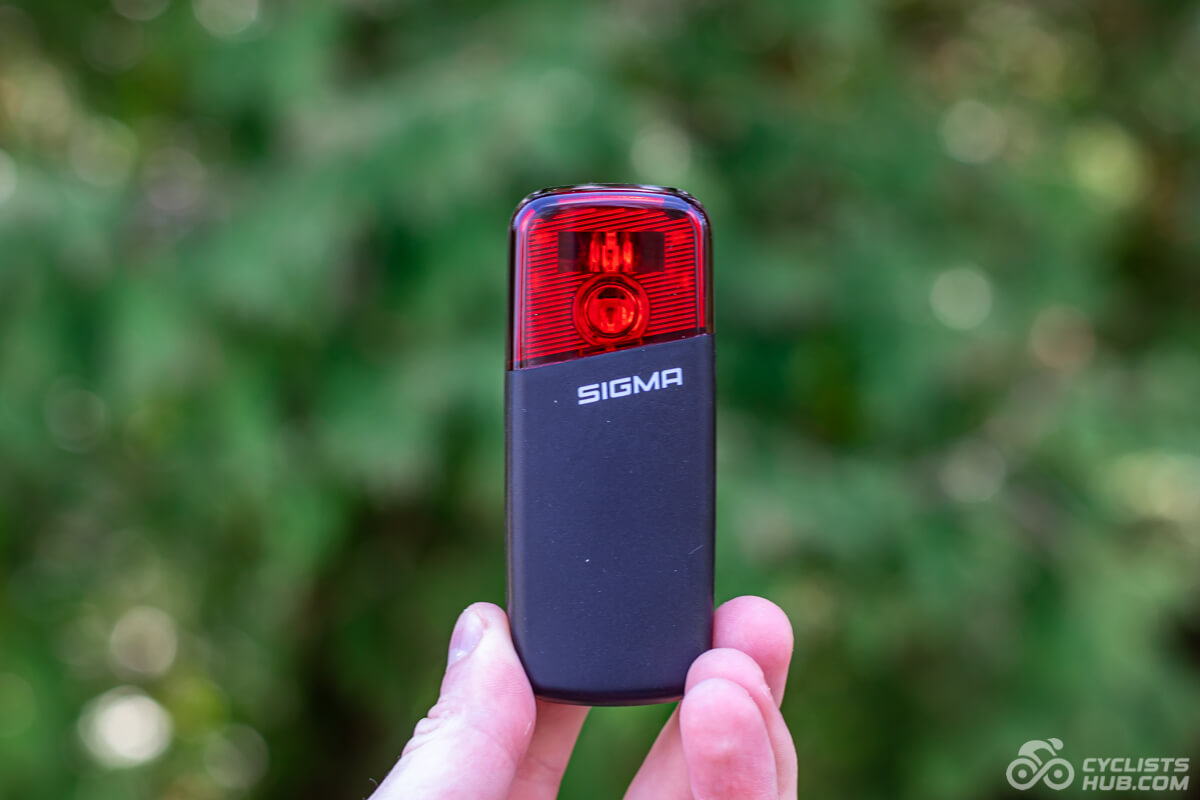
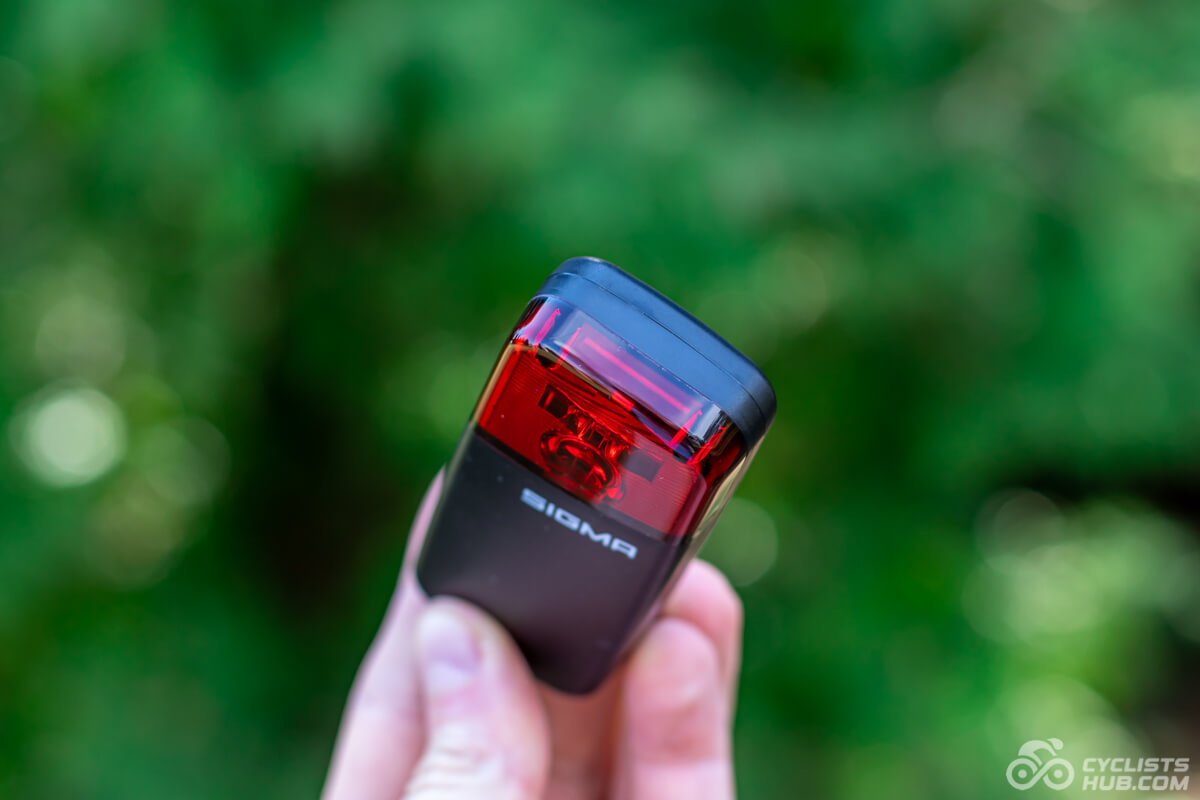
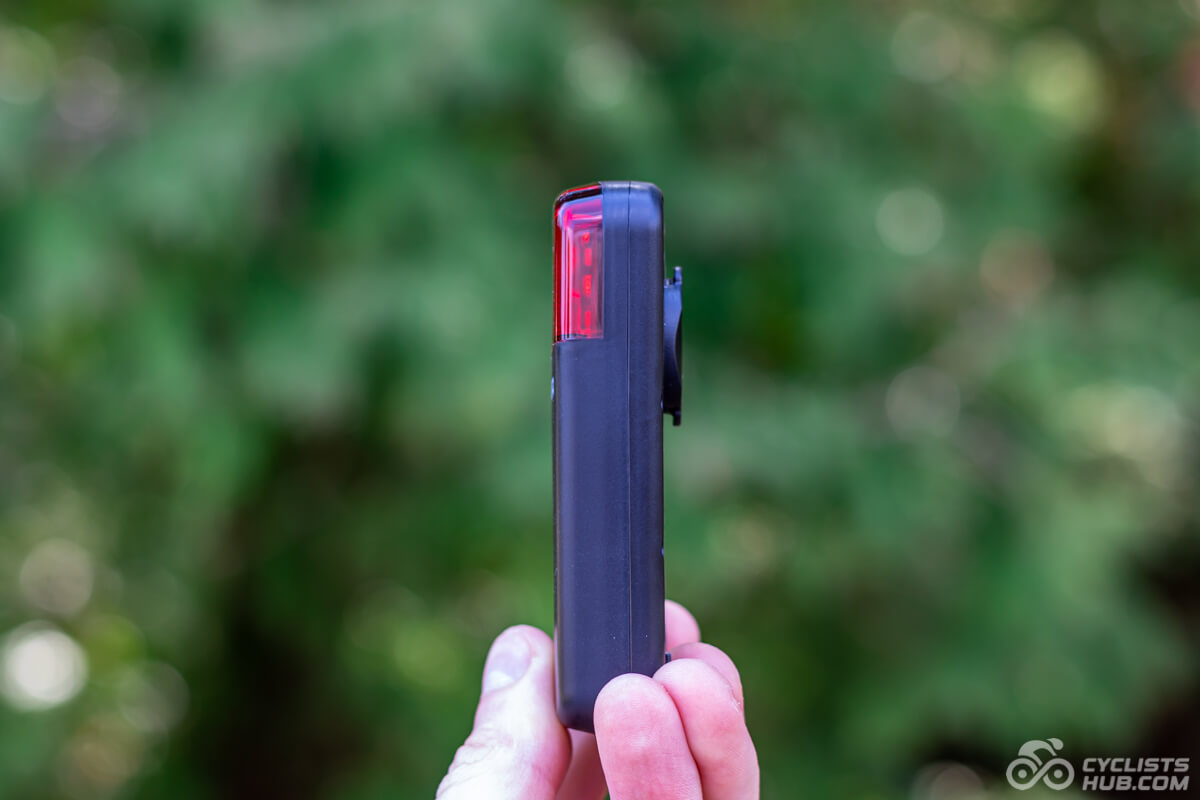
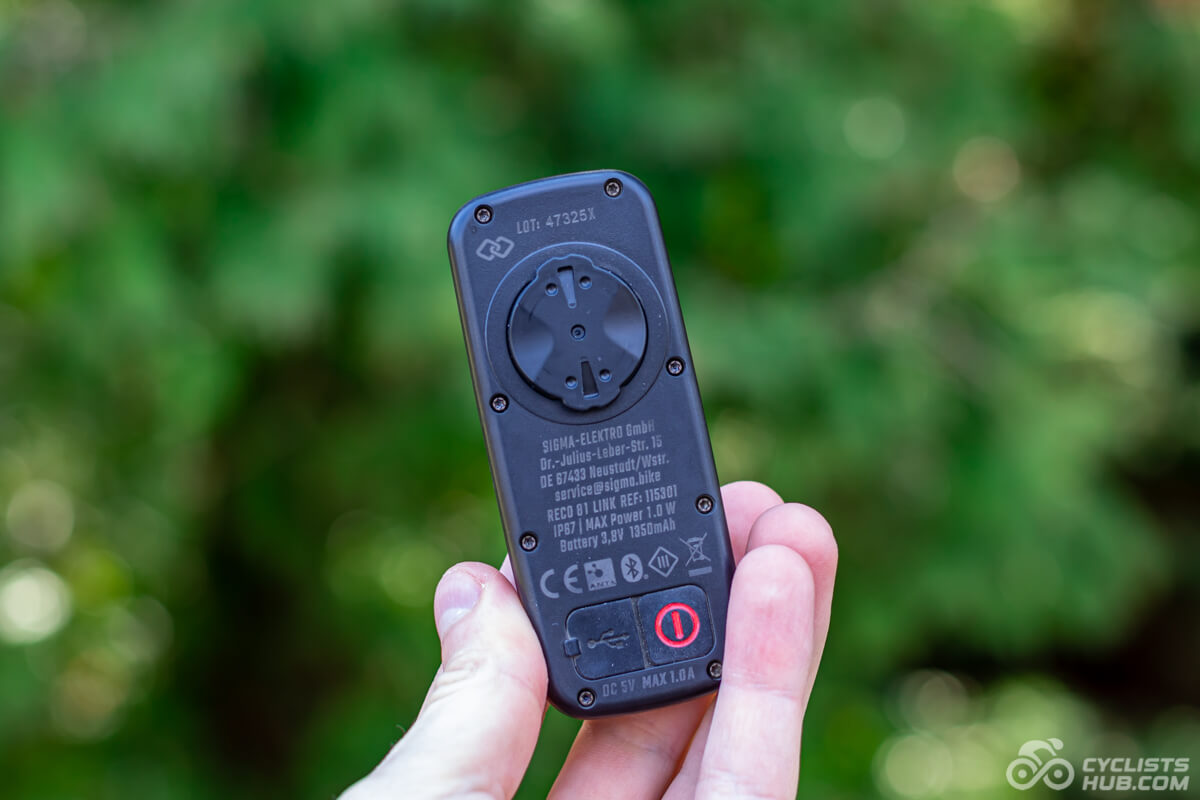
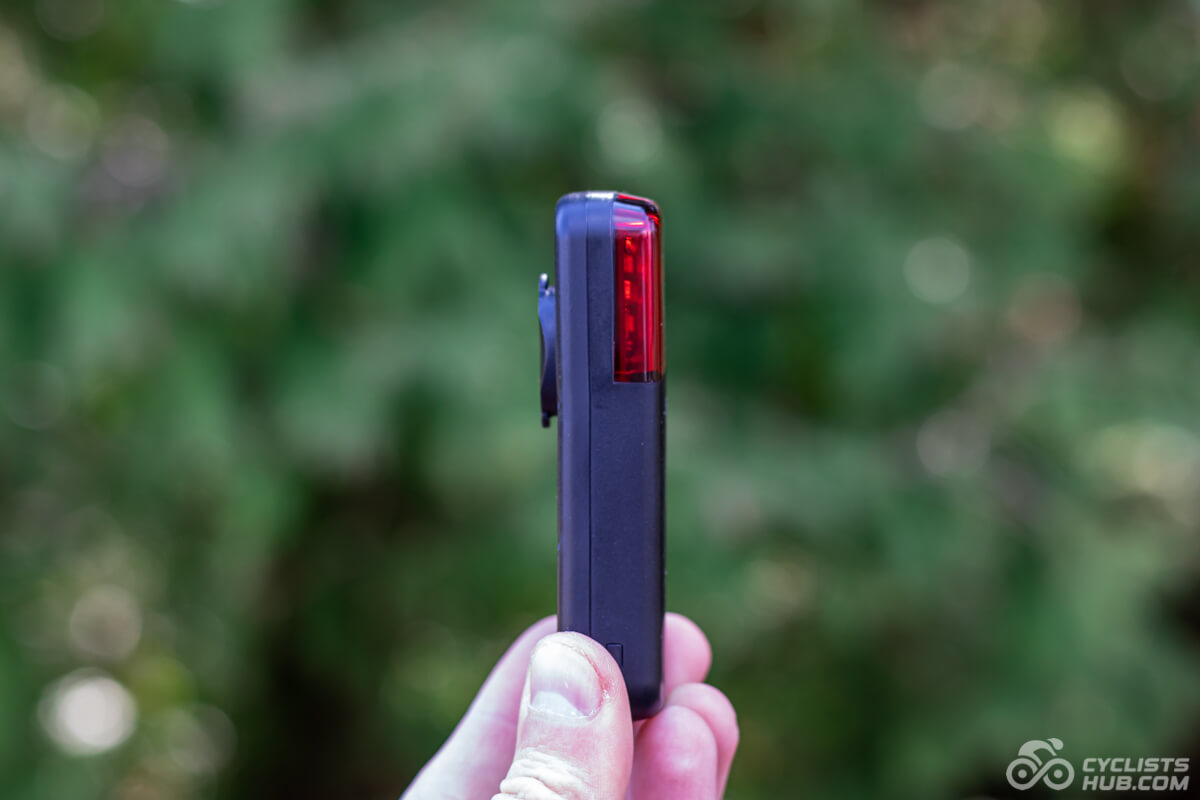
My Experience with Sigma RECO 81
Based on my testing, I found the following pros and cons of the RECO 81.
RECO 81 Pros
- Almost no false positives (close to 0)
- Longer real detection distance than the one in the specifications
- Changes the light pattern for the entire duration of the overtake
- Brake sensing feature
- Improves side visibility
- Can be paired and controlled with the AURA 100 front light
- Battery life indicator
- Design allowing battery replacement
- USB-C charging port
RECO 81 Cons
- Limited availability worldwide
- Average brightness
- Safety tether not included
- No stand-by mode
- The app won’t allow adjusting the radar settings
- The radar can’t be controlled from a head unit
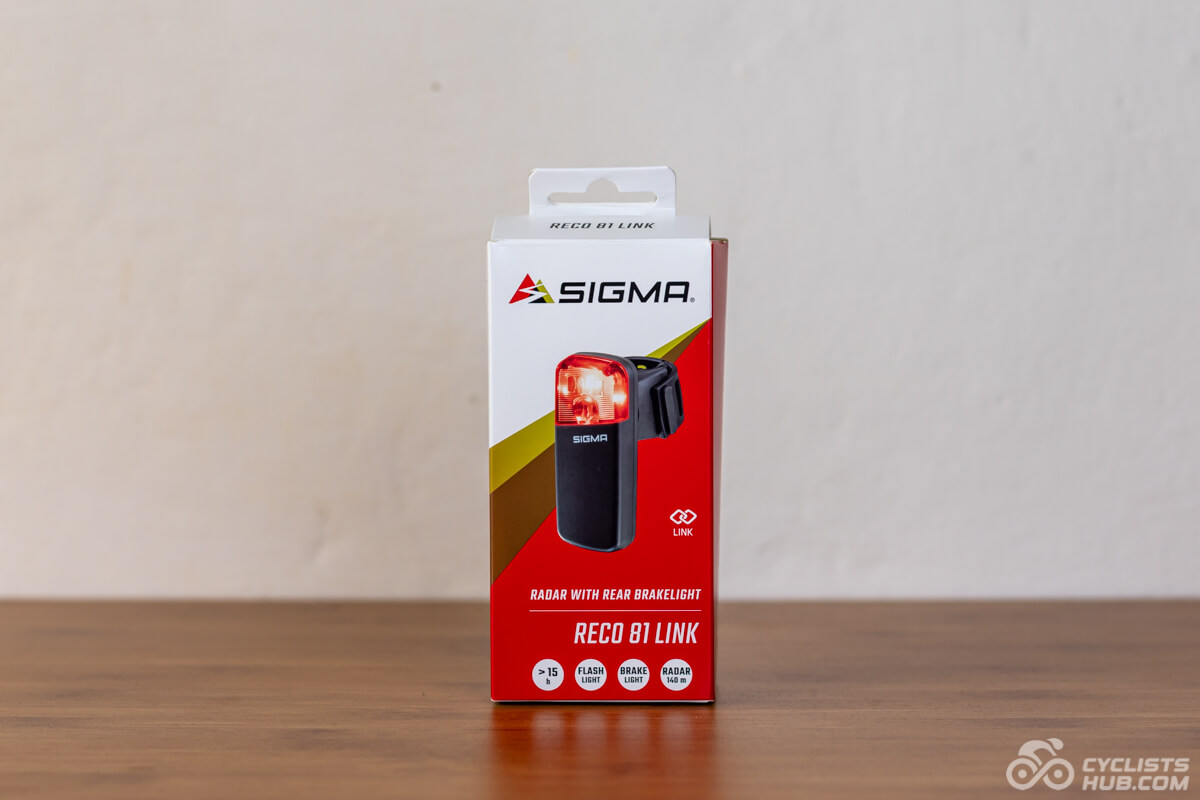
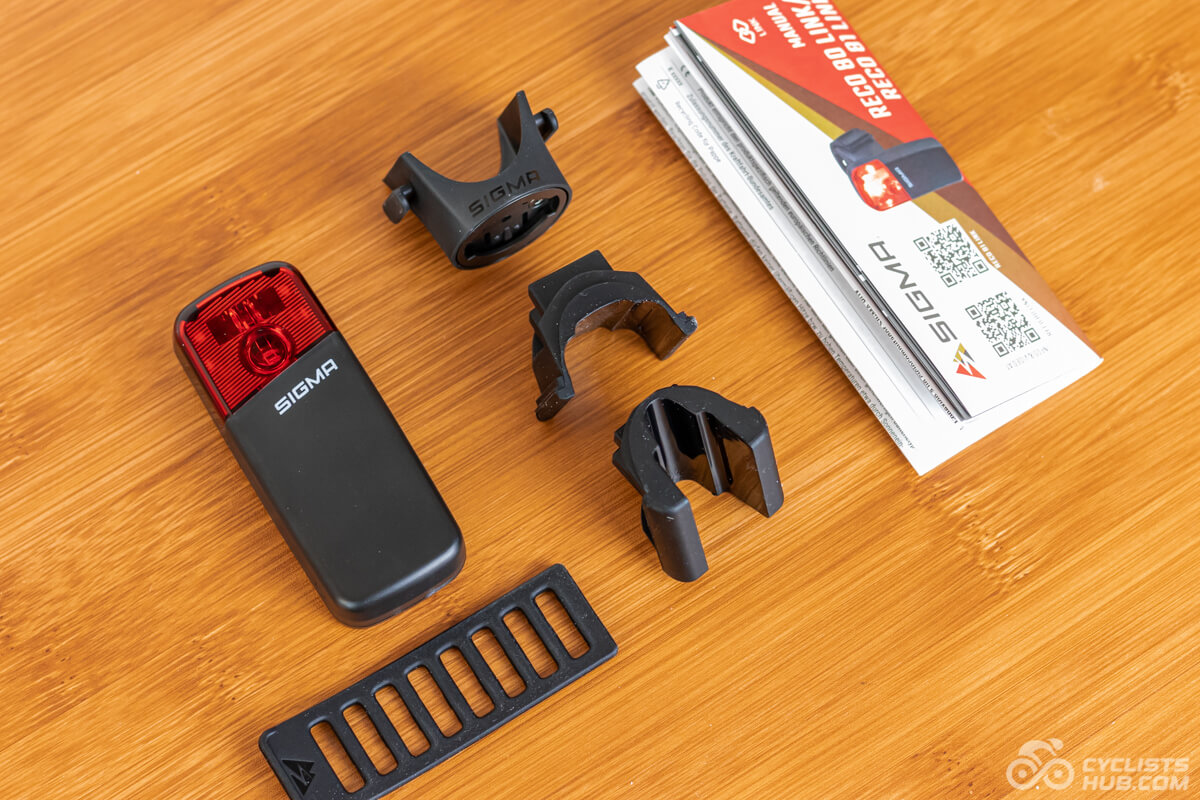
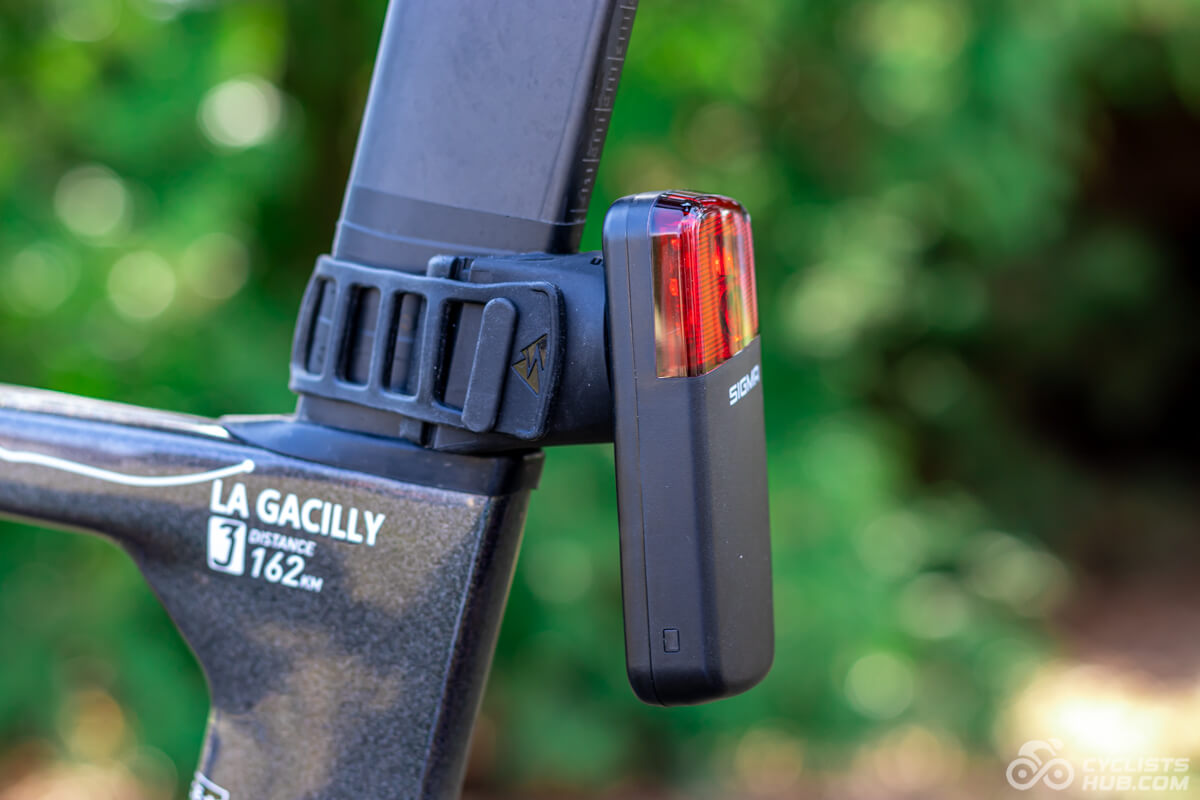
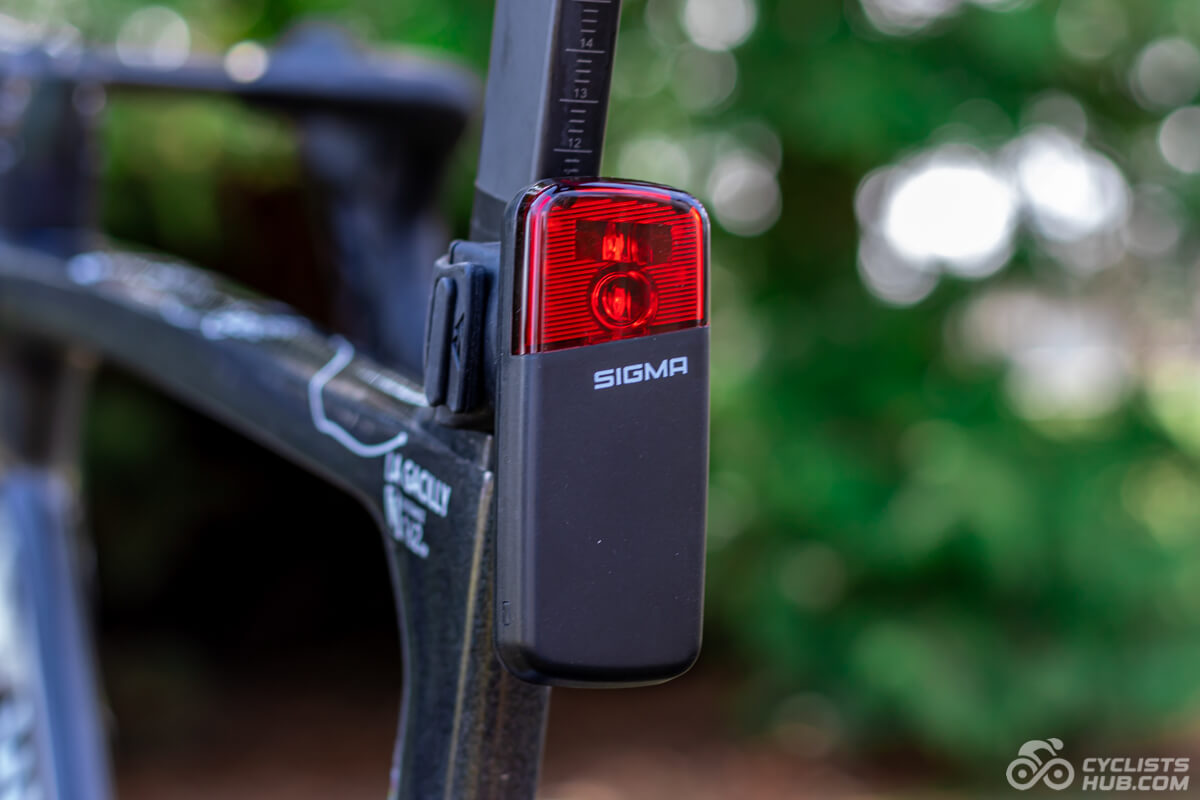
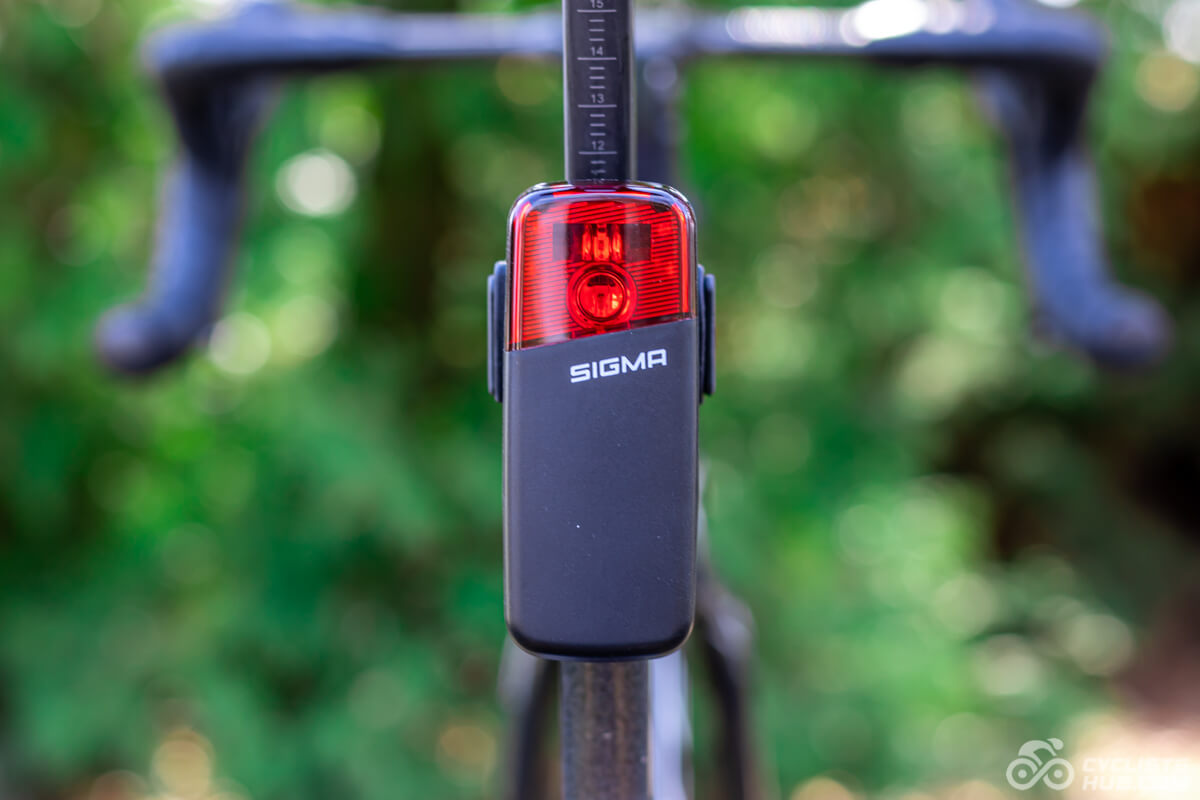
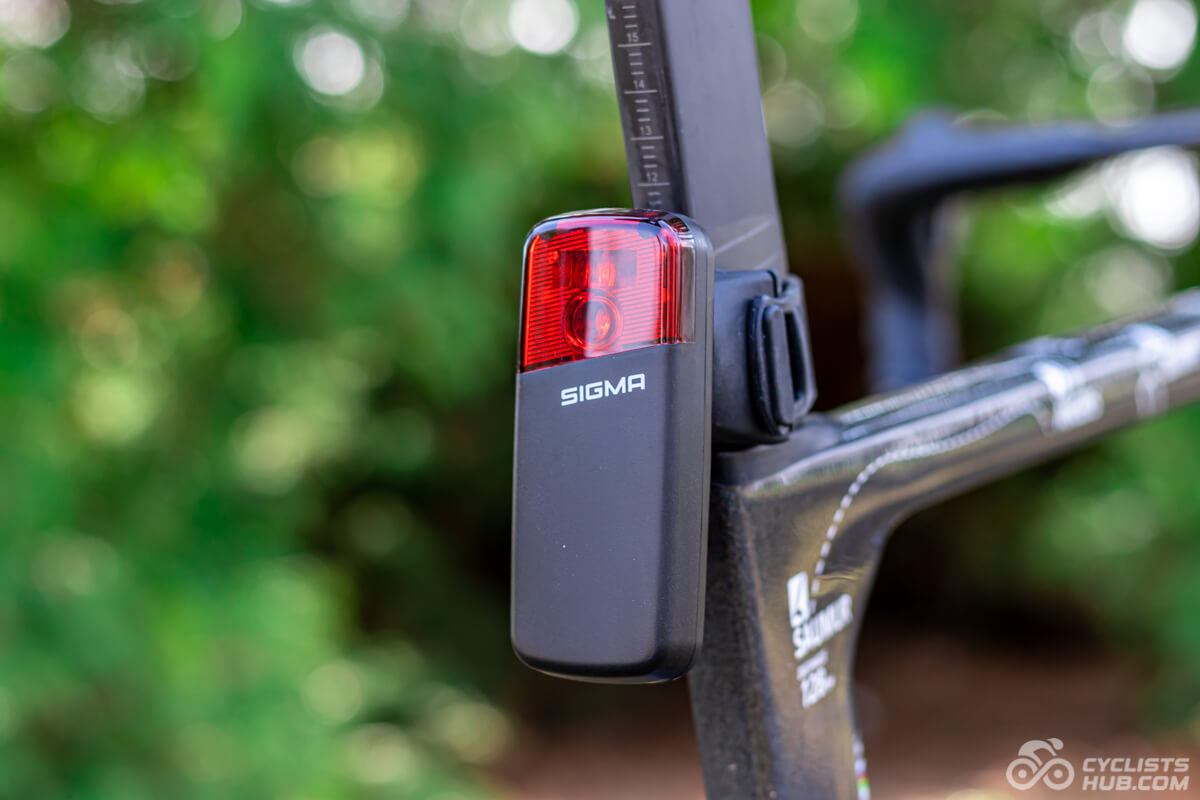
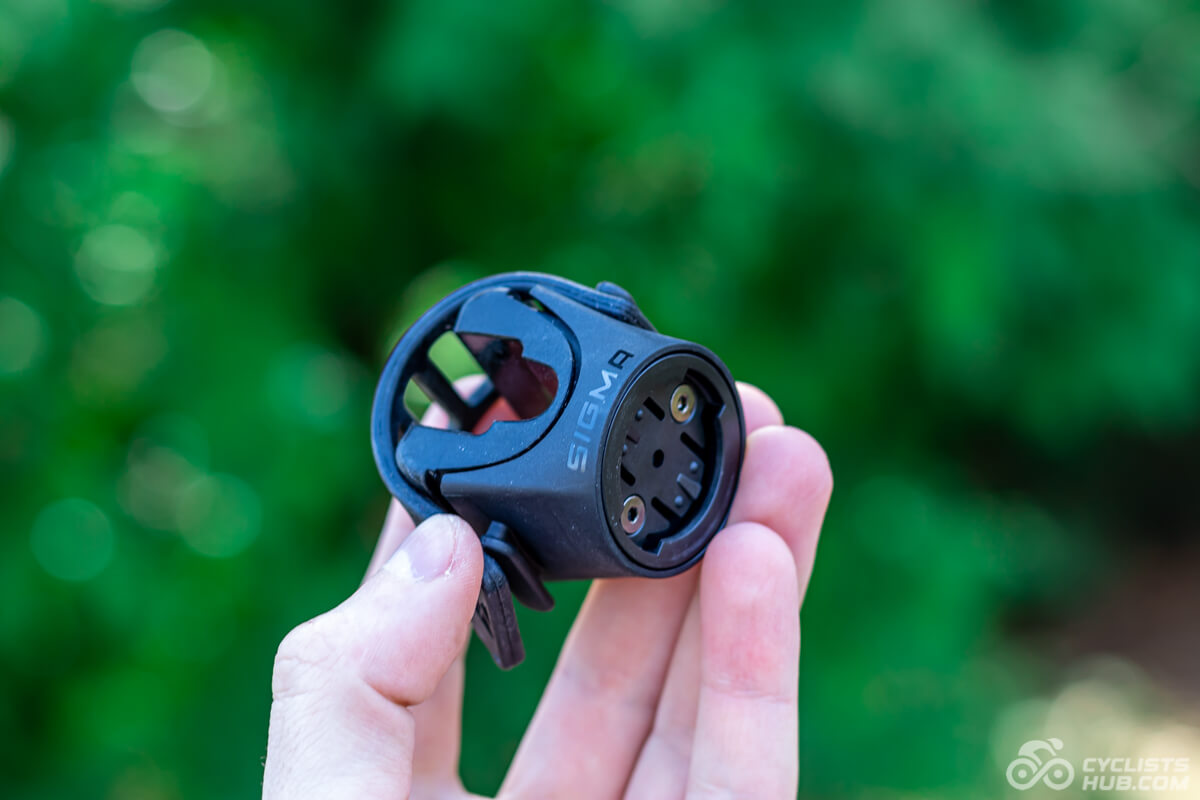
The box includes a saddle mount (with an aero and D-type adaptor) and the radar. The mount is oriented the same as Garmin-like units, so you can use it with the Garmin Varia or vice versa (Garmin mount with Sigma radar).
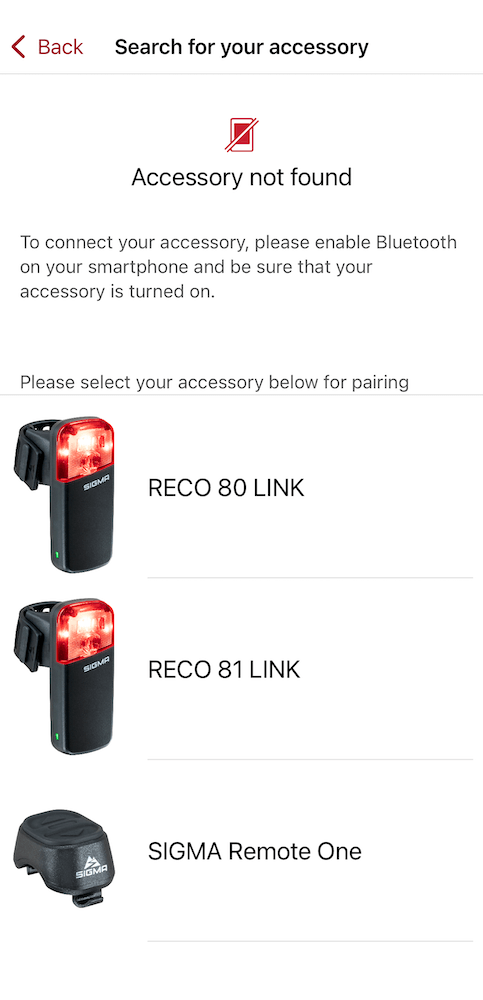
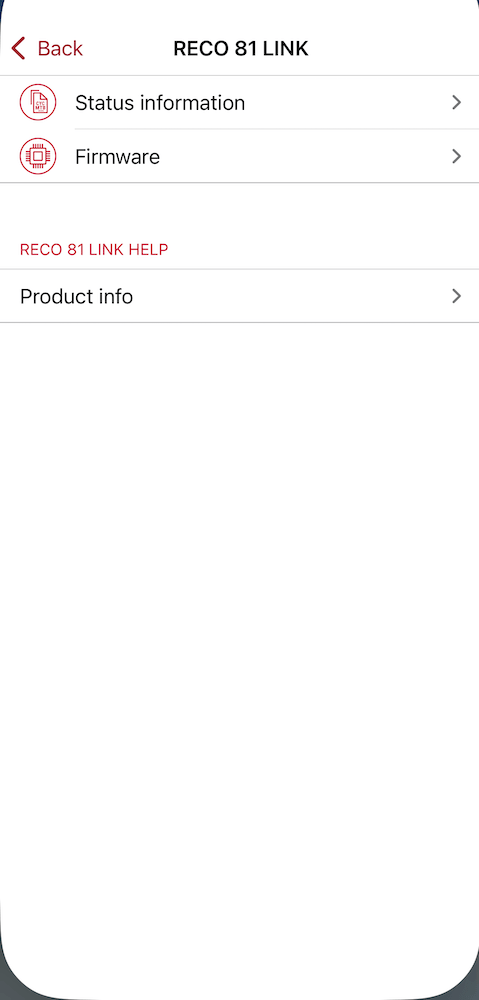
I updated the RECO 81 firmware, paired it with my Garmin Edge 850, and started using it. You can pair the radar with the Sigma Ride app, but the pairing process is a bit confusing. You have to enter the correct mode (orange flashing light) to pair the radar to it (see the following screenshots). The app only allows downloading firmware updates, nothing else.
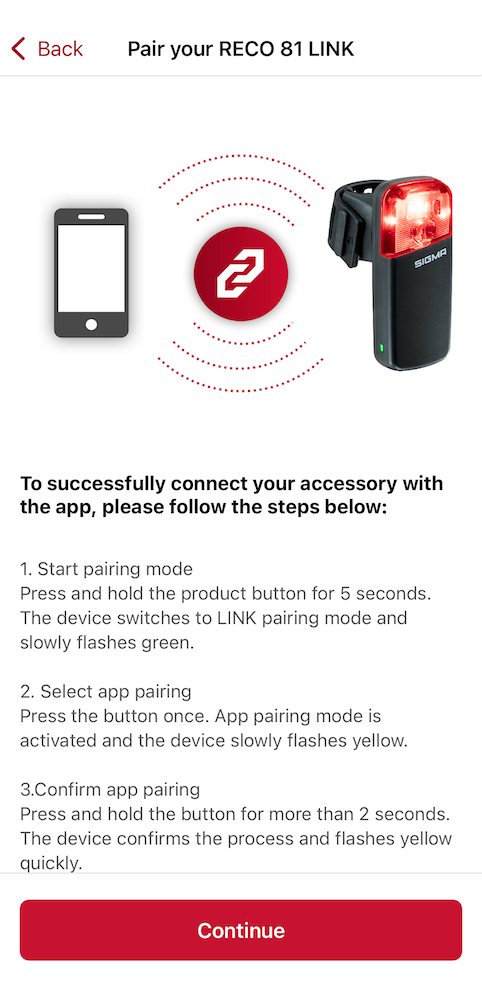
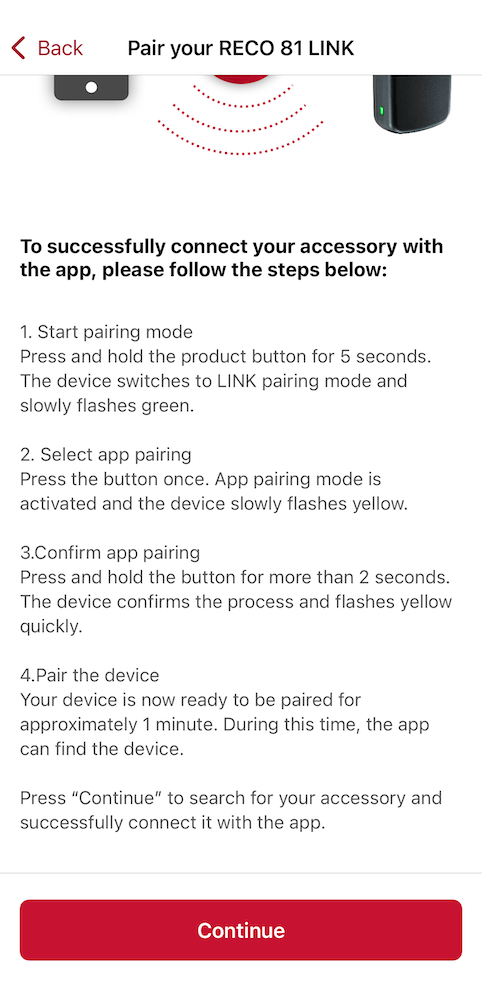
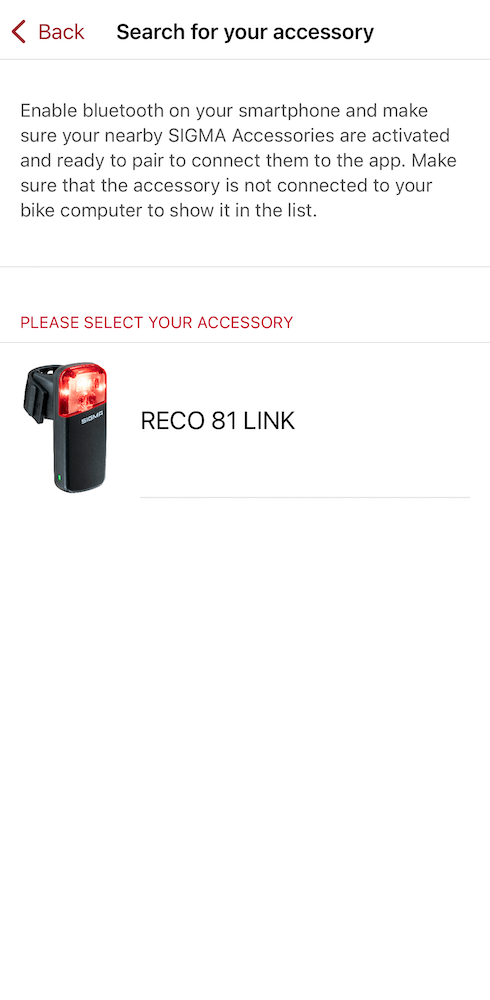
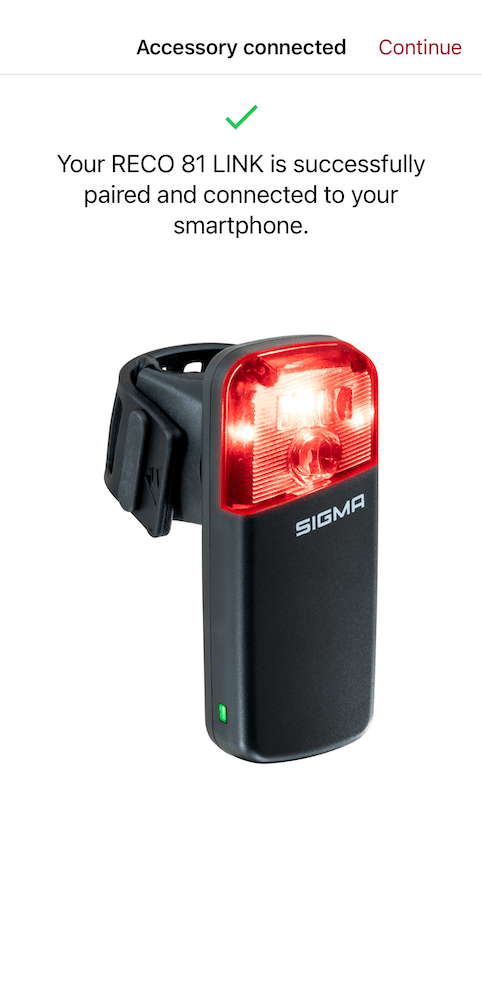
Anyway, it was sooo refreshing to not get a false positive every hour (I tested a couple of Chinese radars before this one). In short, it basically worked as well as the Wahoo TRACKR Radar or Garmin Varia radars. I dare to say that it worked even better.
As this article explains, dialing in the detection algorithm is not exactly easy, so despite many radars using sensors from the same manufacturer (Terasilic), they still have to handle the firmware.
RECO 81 has a 60° field of view, which is 20° more than most other radars. In practice, this means that it covers a broader “corridor,” catching cars in adjacent lanes or drifting over sooner, which is especially useful on multi-lane roads or during overtakes.
What surprised me was the excellent detection range. On paper, RECO 81 should detect cars from up to 160 meters, but in practice, the detection range was longer. I noticed this when comparing it side by side with Varia RTL515. RECO 81 detected cars about a second earlier, suggesting the detection range was over 160 meters.
Multi-car detection also worked well, and I believe this is partly due to the wider field of view. We don’t have many four-lane roads here, so I couldn’t test it in this scenario, but it simply detected cars from wider angles, which is noticeable in bends.
The battery is supposed to last up to 21 hours in day flash mode and up to 30 hours in radar-only mode. I tested the day flash mode, and it lasted roughly ~14.5 hours. This is about 25% less than the claimed battery life. The radar turns itself off after 5 minutes of inactivity.
RECO 81 has a below-average brightness, as you can see from the following comparison of Coospo TR70, Sigma RECO 81, and Garmin Varia RTL515. On paper, RECO 81 is visible from up to 500m, and Varia from up to 1.6 km.

The radar remembers the last used mode and changes the flashing pattern throughout the entire overtaking period. It also features the brake light, meaning that the radar will change the light pattern when you start braking. This feature is becoming a standard. Unfortunately, you can’t control RECO 81’s light modes from the head unit because it doesn’t support ANT+ control. Also, bike computers can’t wake it up from standby mode, so you have to press the turn on/off button before each ride. I mean, why? Why did Sigma not implement these features? They make using the radar much more convenient.
As mentioned above, the app won’t let you adjust the radar settings. It’s only used for firmware updates. So, if you don’t have a bike computer, you can’t use it to replace it.
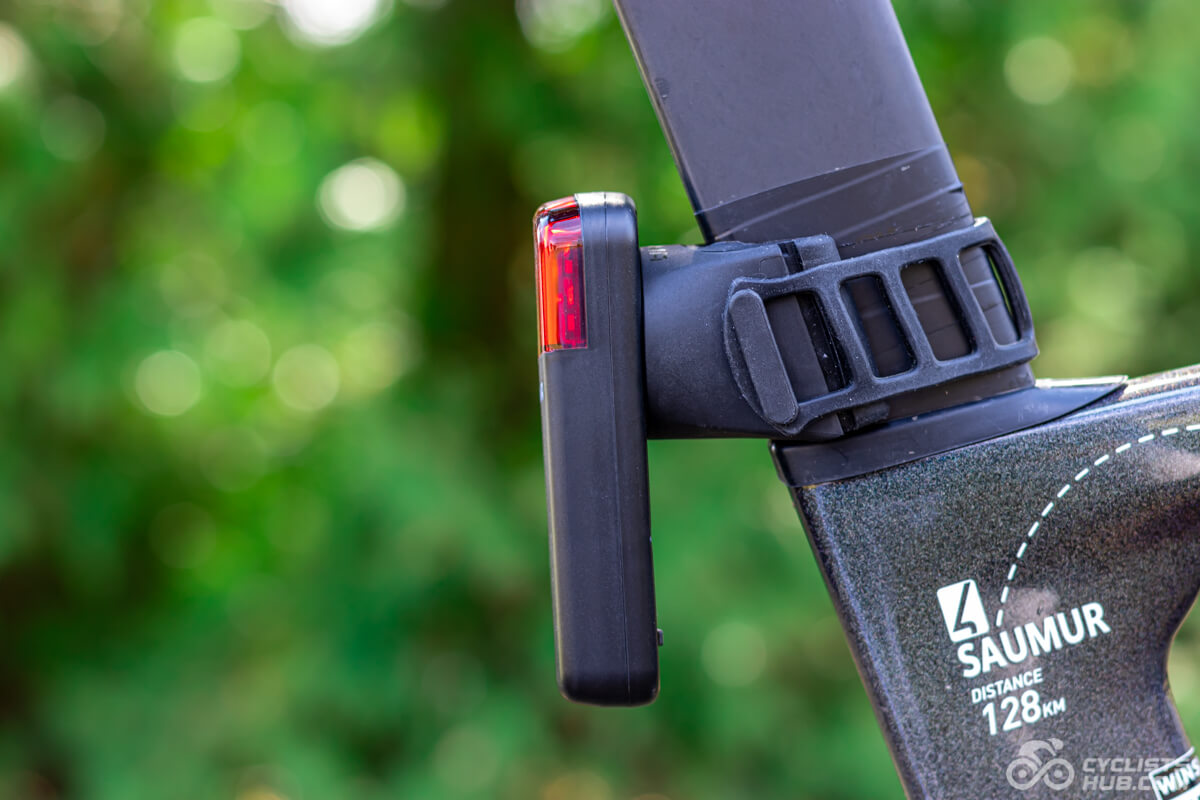
The included seatpost mount didn’t slide, mainly thanks to the firm rubber band, but I can still imagine someone coming up with a sleeker system. Sigma’s mount is a bit bulkier than other mounts. Remember that the Sigma RECO 81 mount socket is compatible with the Garmin quarter-turn mount. Both mounts can fit both radars, ensuring good compatibility.

Sigma RECO 81 vs. Other Cycling Radars
The following table summarizes the technical specifications of the RECO 81 and other popular cycling radars.
| Feature/Radar | Dimensions | Weight | Claimed battery life | Real battery life (day flash) | Charging port | Brake sensing | Auto stand-by | Customizable light modes | Light pattern change when overtaking | App can replace a bike computer | Lumens | Detecting distance | Relative detecting speed | Water resistance | Viewing angle | Horizontal detection angle | Protocols | Detecting frequency | Mount standard | More Info | Buy |
|---|---|---|---|---|---|---|---|---|---|---|---|---|---|---|---|---|---|---|---|---|---|
| Varia RTL515 | 98.6×19.7×39.6 mm 3.9×0.8×1.6 in | 71g | 16h flash 22h radar only | 9.5¹ | MicroUSB | No | No | No | Yes | Yes | Up to 65 | Up to 140m | 10 to 160 km/h (6 to 99 mph) | IPX7 | 220° | 40° | Bluetooth, ANT+ | ~24 GHz | Garmin | RTL515 review | Check Price Check Price (rei.com) |
| Magene L508 | 94×25×38 mm 3.7×0.98×1.5 in | 65g | 15h flash 19h radar only | 7.3 | USB-C | Yes | Yes | Yes³ | Yes | No | Up to 40 | Up to 140m | 10 to 120 km/h (6 to 74 mph) | IPX7 | 220° | 40° | Bluetooth, ANT+ | 24.05 – 24.25 GHz | Garmin-like rotated 90° | L508 review | Check Price |
| Bryton Gardia R300L | 97×20.9×40 mm 3.82×0.82×1.57 in | 66g | 17h flash 24h radar only | 11.7² | USB-C | Yes | Yes | No | Yes | Yes | Up to 73 | Up to 190m | 10 to 120 km/h (6 to 74 mph) | IPX7 | 220° | 40° | Bluetooth, ANT+ | ~24 GHz | Garmin-like rotated 90° | R300 review | Check Price |
| iGPSport SRTL SR30 | 99×20.3×39.7 mm 3.9×0.79×1.56 in | 68.8g | 12h flash 20h radar only | 16.9 | USB-C | Yes | Yes | No | Yes (just for a few seconds) | Yes | Up to 65 | Up to 150m | 10 to 120 km/h (6 to 74 mph) | IPX7 | 220° | 40° | Bluetooth, ANT+ | ~24 GHz | Garmin-like rotated 90° | SR30 review | Not recommended |
| Trek CarBack | 70×30×50 mm 2.76×1.18×1.97 in | 70g | 12h flash | 11.3 | USB-C | No | n/a | No | No | Yes | Up to 90 | Up to 230m⁴ | n/a | IPX7 | n/a | n/a | Bluetooth, ANT+ | ~77 GHz | Proprietary | CarBack review | Check Price Check Price (trekbikes.com) |
| Magicshine R300 | 96×29×34 mm 3.78×1.14×1.34 in | 110g | 16.2h flash 26.3h radar only | 9.4 | USB-C | No | Yes | No | Yes | No | Up to 300 | Up to 140m | 10 to 160 km/h (6 to 99 mph) | IPX6 | 270° | 35° | Bluetooth, ANT+ | 24 – 24.25GHz | Proprietary | R300 review | Not recommended |
| Cycplus L7 | 76.5×25×37 mm 3×0.98×1.46 in | 67g | 25h flash 36h radar only | 15.3 | USB-C | Yes | Yes | No | Yes | No | Up to 40 | Up to 160m | 6 to 160 km/h (3 to 99 mph) | IPX6 | 270° | 40° | Bluetooth, ANT+ | n/a | Garmin | L7 review | Not recommended |
| Wahoo TRACKR | 77×19×37 mm 3.03×0.75×1.46 in | 99g | 15h high flash 36h radar only | 8.5 | USB-C | Yes | Yes | No | Yes | No | Up to 53 | Up to 150m | n/a | IPX7 | n/a | 35° | Bluetooth, ANT+ | ~24 GHz | Garmin⁵ | TRACKR Radar review | Check Price |
| iGPSport SR mini | 77×37×19 mm 3.03×1.46×0.75 in | 50g | 7h day flash 25 radar only | 8.6 | USB-C | Yes | Yes | Yes | Yes | Yes | Up to 30 | Up to 160m | 4 to 110 km/h (2 to 68 mph) | IPX7 | 220° | 45° | Bluetooth, ANT+ | n/a | Garmin-like rotated 90° | SR mini review | Check Price |
| Coospo TR70 | 96×23×39 mm 3.78×0.91×1.54 in | 65g | 30h flash 40h radar only | 19.5 | USB-C | Yes | Yes | Yes | Yes | Yes | Up to 70 | Up to 140m | 6 to 128 km/h (3 to 79 mph) | IP67 | 220° | 40° | Bluetooth, ANT+ | n/a | Garmin-like rotated 90° | Coospo TR70 review | Not recommended |
| Sigma RECO 81 | 98.6×19.7×39.5 mm 3.88×0.78×1.56 in | 62g | 21h flash 30h radar only | 14.5 | USB-C | Yes | Yes | Yes | Yes | Yes | n/a | Up to 160m | 5 to 165 km/h (3 to 102 mph) | IP67 | 220° | 60° | Bluetooth, ANT+ | n/a | Garmin | Sigma RECO 81 review | Check Price |
| Garmin RearVue 820 | 98.9×25.9×43.2 mm 3.9×1.0×1.7in | 90g | 24h flash 30h radar only | 18 | USB-C | Yes | Yes | Yes | Yes | Yes | Up to 100 | Up to 170m | n/a | IPX7 | 220° | 60° | Bluetooth, ANT+ | n/a | Garmin | RearVue 820 review | Check Price |
¹About two years old unit. The battery depreciation probably influenced the battery life.
²Demo unit – I am not sure if this influenced the battery life.
³Paid subscription or free for email subscription.
⁴The real detecting distance is around 150m, which means more or less the same as other radars.
⁵TRACKR Radar won’t fit Garmin mounts due to wider socket.
Updated: March 6, 2026
Things to Consider Before Buying a Bicycle Radar
Cycling radars have to be highly reliable. They may give you false positives, but they should never give you false negatives, meaning they never miss a car.
You should have zero tolerance for false negatives if you buy a device like a cycling radar. However, you shouldn’t rely entirely on a bicycle radar and use your other senses while riding.
Based on my testing, the RECO 81 never missed a car and proved to be on par with the best cycling radars on the market.
My Verdict
I’m glad I got to try a working radar after some time. It’s a pity that the RECO 81 isn’t available in the US and some other markets, because I believe it would find users given its affordability. Small things, like the lack of a safety tether in the packaging, are definitely not deal breakers. What could be dealbreakers are the missing ANT+ functionality and the lack of a stand-by mode.
The link with the front light is a nice-to-have feature, especially if you ride your bike early in the morning or in the evening. So, I’m curious whether other manufacturers will start copying it. Despite not switching light modes directly from the head unit (I always use flash mode), I miss the standby mode. If RECO 81 has it, it would be an easy choice.
Do you plan to purchase this or another radar? If so, which one? Let me know in the comments. If you like RECO, please consider buying it via the link below if you are in Europe. It’s the best way to support this website. Thank you in advance.
Sigma RECO 81 FAQ
The product for this review was kindly provided by the manufacturer. This did not influence my overall verdict or my opinion about the product. You can learn more about how I approach reviews here.

Thanks for the honest review ! Highly appreciated
You are welcome. 🙂